
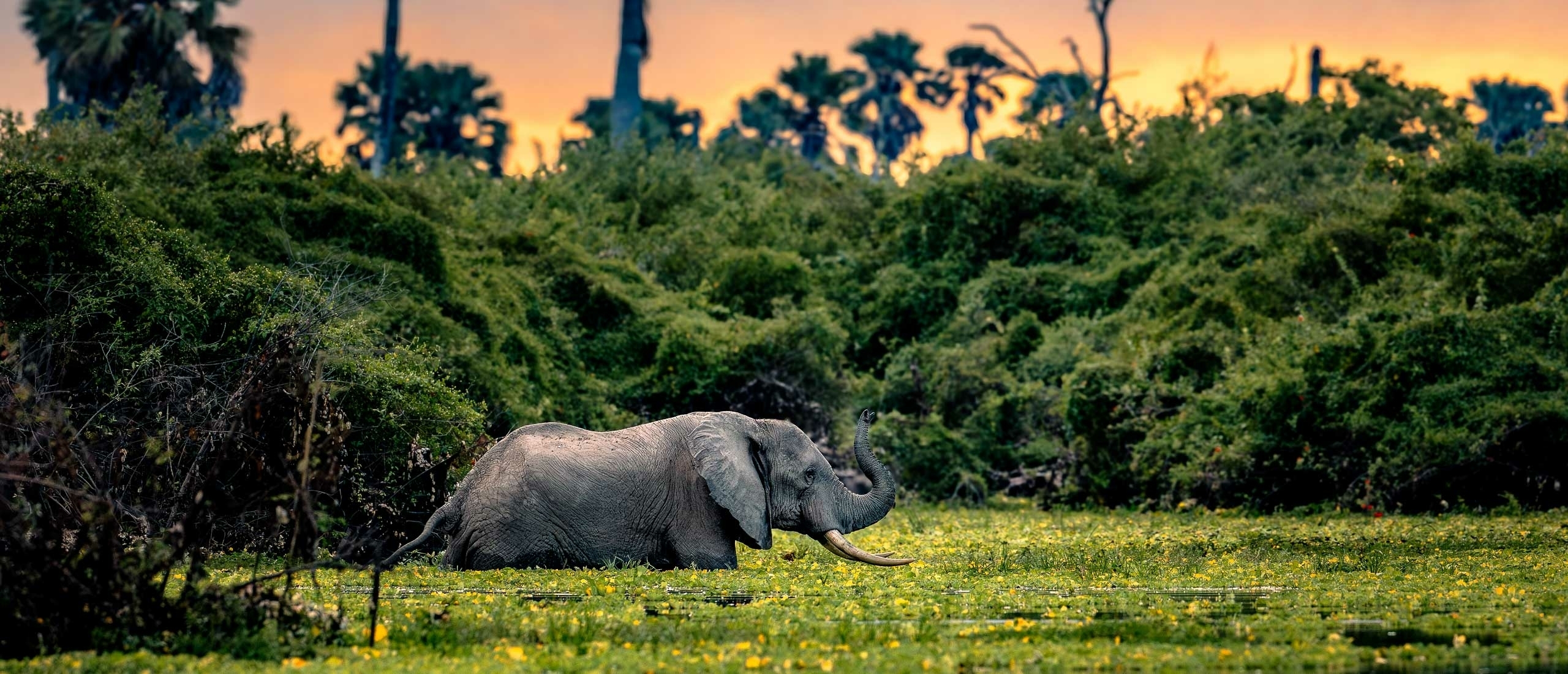
A safari in Nyerere National Park feels different from one in Tanzania's better-known north. Less predictable, maybe. Roomier. Wetter. Quieter, too.
Most travellers researching Tanzania go straight to the Serengeti, Ngorongoro, and the Great Migration. In the south, a different kind of safari landscape is waiting — one still searched under its old name almost as often as its new one. Nyerere National Park, still frequently called Selous Game Reserve or Selous National Park, is a vast expanse of rivers, lakes, miombo woodland, open plains, sand tracks, and genuine quiet.
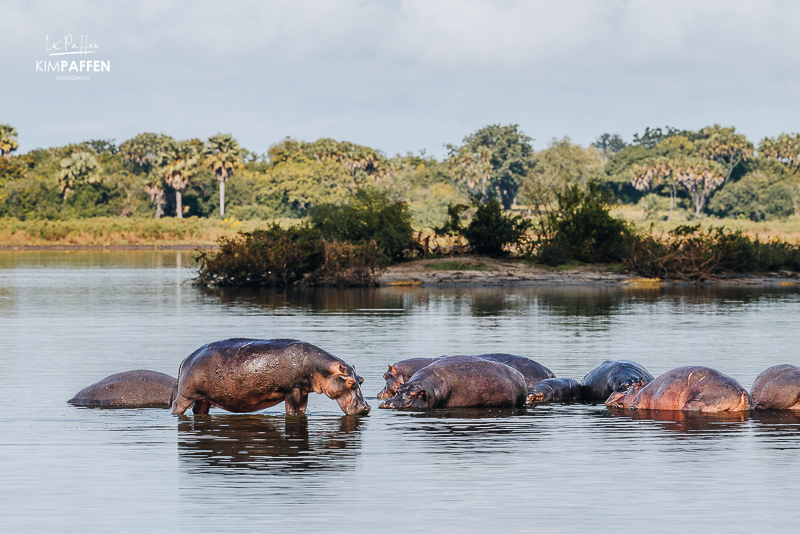
You drive along the Rufiji River, where hippos blow air through their nostrils and crocodiles line the sandbanks. You take to the water on a boat safari. You read tracks in the sand on a game drive. And you notice, fairly quickly, how strongly the rhythm of this place is set by water, season, and sheer space.
We spent seven nights in Nyerere, split across four camps and lodges: Selous Wilderness Camp, Rufiji River Camp by Foxes Safari Camps, Selous Impala Tented Camp, and Lake Manze Tented Camp. That gave us a genuine feel for what makes this park distinct — not just the wildlife, but the interplay between land and water, the stillness of the place, and the sense of being a guest inside a large, living ecosystem.
Nyerere isn't a park for travellers who just want to tick off animals quickly. It's built for people who want to slow down, learn to look, and understand why this southern stretch of Tanzania carries such a different energy than the busier northern circuit.
Why choose a safari in Nyerere National Park?
Nyerere National Park sits in southern Tanzania and is the country's largest national park, covering roughly 30,893 km² — making it one of the largest protected areas in Africa. We're cautious about claims like "the largest" or "second-largest" national park on the continent, since rankings shift depending on the source, the definition, and the measurement method used. What's beyond dispute is the scale: Nyerere is enormous.
What makes it distinctive isn't only the size. It's the combination of:
- the Rufiji River, Tanzania's largest river;
- a network of lakes, including Lake Manze, Lake Tagalala, Lake Siwandu, Lake Nzerakera, and Lake Mzizimia;
- game drives through genuinely varied terrain;
- boat safaris on the Rufiji River and on several of the lakes;
- walking safaris;
- Maji Moto Hot Springs as a change of pace within the park;
- comparatively few vehicles next to far more famous parks;
- strong odds of spotting African wild dogs;
- an unusually strong sense of wilderness.
Across our seven nights and four camps, location turned out to matter enormously. A camp on the Rufiji River offers a different experience than one on Lake Manze or deeper in the bush — and that variety is part of what makes the park so interesting. One morning you're reading tracks in the sand; later that day you're gliding along a riverbank or across a lake, watching how concentrated life becomes around water.
We were told on the ground that only a relatively small portion of this enormous park is actively used for game drives. That sounds limiting, but even that portion is still vast — and it makes ecological sense, since wildlife concentrates around the five lakes, the river, and the most accessible routes. There's talk of developing additional routes over time, opening up more of the park. For now, that limited footprint is part of the appeal.
During our stay, a single day saw a total of 38 safari vehicles in the entire park, 11 of which were day-trippers. That's not an official annual average, but it says something about how quiet Nyerere can feel compared with better-known parks and busier circuits.
Selous Game Reserve or Nyerere National Park? Untangling the names
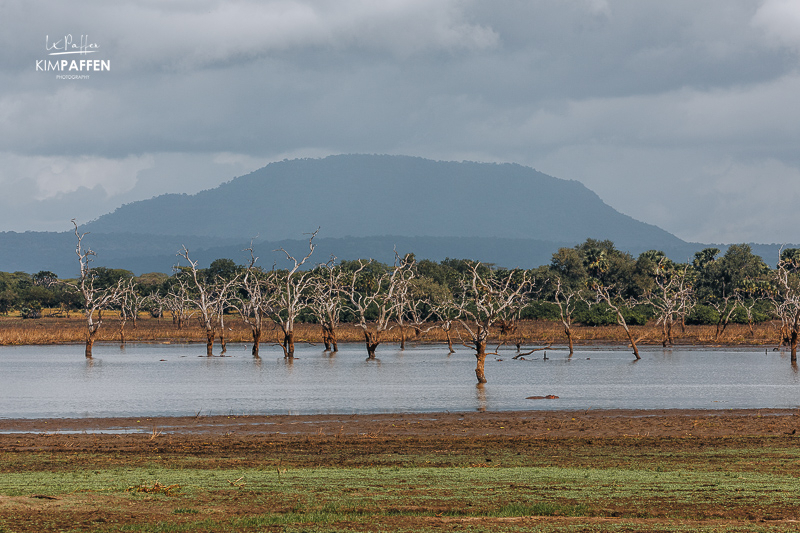
Anyone researching a safari here runs into several names: Nyerere National Park, Selous Game Reserve, Selous National Park, or simply "a Selous safari." The confusion has a straightforward explanation.
For decades, this area was known as Selous Game Reserve — one of the largest and most storied wildlife areas in Africa, named after Frederick Courteney Selous, a British hunter, explorer, soldier, and later conservationist, honoured here during the colonial period.
In 2019, a large section of the former Selous Game Reserve was officially redesignated as Nyerere National Park, named for Julius Kambarage Nyerere, Tanzania's first president and a central figure in the country's independence and national identity.
Since then, the photographic safari area most travellers visit is generally referred to as Nyerere National Park — though "Selous" remains widely used in guidebooks, lodge names, maps, older blog posts, and search behaviour. Plenty of information online still predates the name change. In this guide, we default to Nyerere National Park as the current, accurate name, while also using Selous Game Reserve, Selous National Park, and "Selous safari" throughout, because that's still how a great many travellers search.
Precision still matters, though. Selous Game Reserve, in the broader historical and UNESCO World Heritage sense, still exists as a protected area. Nyerere National Park is the national-park portion within it — the part most relevant to photographic safaris and lodge stays.
The grave of Frederick Courteney Selous
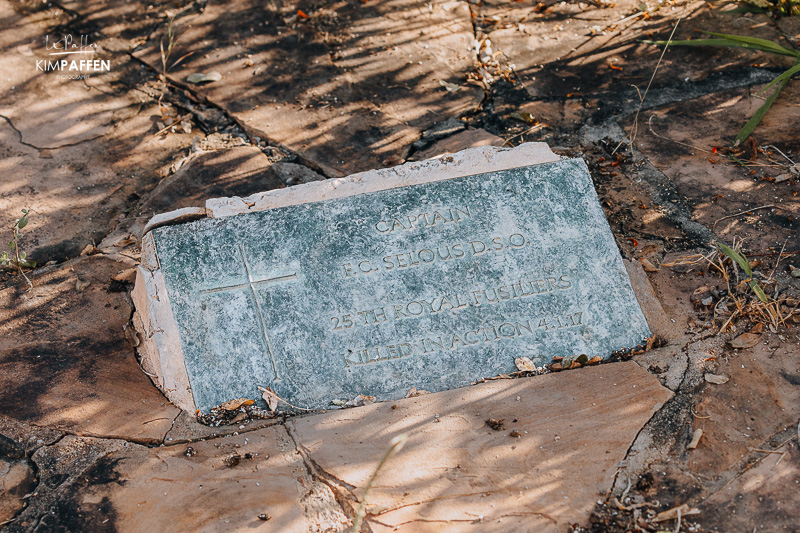
Inside Nyerere National Park, you can visit the site connected to Frederick Courteney Selous — and we did, on our own trip.
Selous was killed on 4 January 1917, during the First World War, at Beho Beho, where British troops fought German colonial forces in what was then German East Africa. The Commonwealth War Graves Commission lists the Selous Isolated Grave at Beho Beho as his official burial site — this isn't just a symbolic memorial; official war-grave records register it as his actual resting place.
Even so, the site feels like more than a headstone. It's also a reminder of a complicated piece of colonial history, of war in this landscape, and of the way protected areas sometimes carry names shaped by a loaded past.
We wouldn't present this as a must-see attraction so much as a historical stop for travellers curious about the background of Selous Game Reserve, the renaming to Nyerere National Park, and the wider history of this land.
What makes Nyerere different from northern Tanzania?
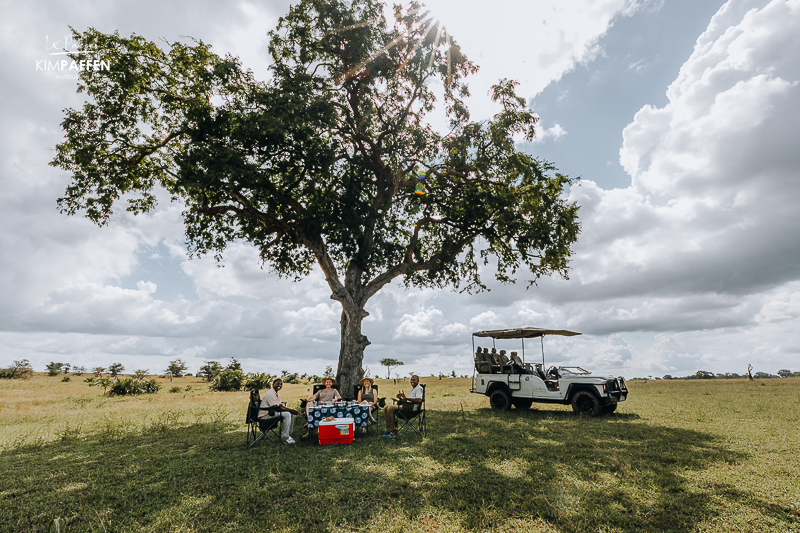
A safari in Nyerere National Park is not the same experience as one in the Serengeti or Ngorongoro. That's precisely its strength.
Northern Tanzania is famous for good reason. The Serengeti, Ngorongoro Crater, Tarangire, and Lake Manyara deliver spectacular, reliable wildlife viewing and slot neatly into a classic itinerary. They're also better known, busier, and far more developed for tourism.
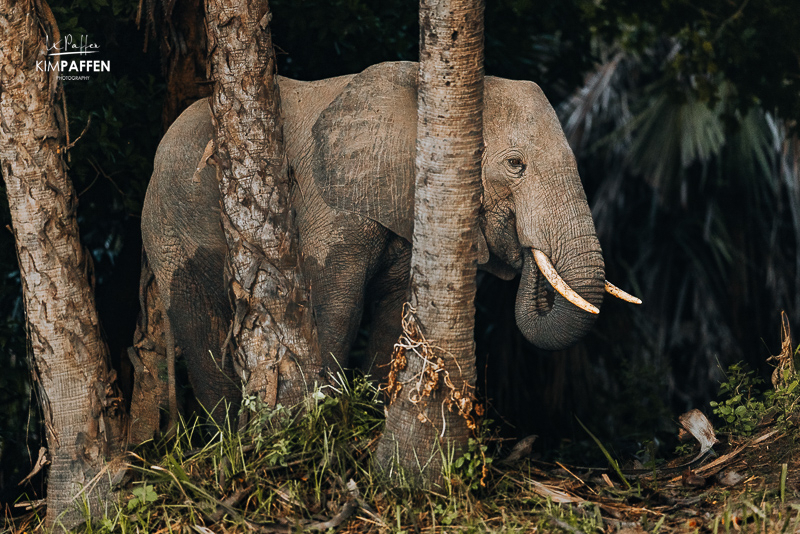
Nyerere works differently. Here, the experience revolves around space, water, lakes, riverbanks, miombo forest, wetlands, and the feeling of a large ecosystem where animals move more freely and more thinly spread out. Sightings sometimes take longer to arrive. You look harder, listen more carefully, wait with more patience. In exchange, encounters tend to feel more intimate — a lion in late light with no line of vehicles around it, elephants moving slowly through vegetation, hippos announcing their territory from a pool, a fish eagle circling above the river.
Nyerere asks something of you as a traveller: attention. That's exactly what it gives back.
The Rufiji River, five lakes, and a landscape that keeps changing
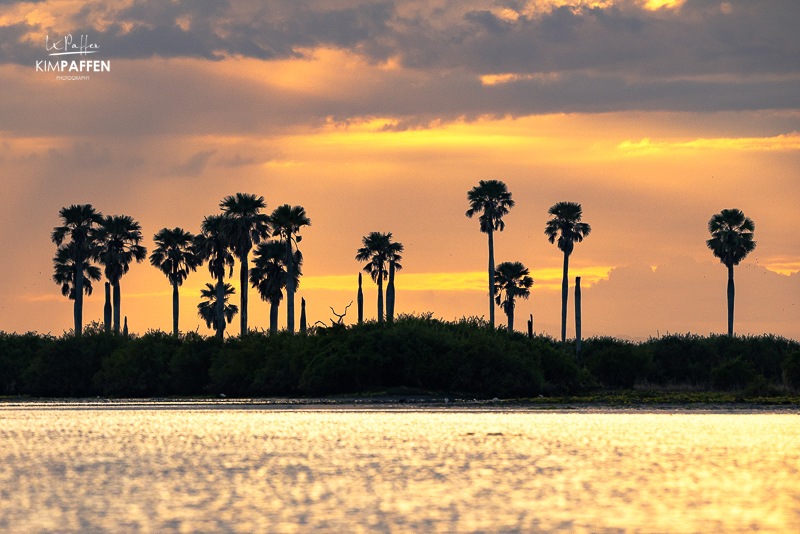
One of Nyerere's defining features is the Rufiji River — Tanzania's largest river and the lifeblood of wildlife, birdlife, and vegetation across this part of the country.
Around the Rufiji system sit several lakes, often referred to as the park's five great lakes:
- Lake Manze
- Lake Tagalala
- Lake Siwandu
- Lake Nzerakera
- Lake Mzizimia
These lakes and river channels set Nyerere apart from drier safari destinations. The landscape shifts constantly — riverbanks with hippos and crocodiles, miombo woodland, open grassland, palms, marshy pockets, thick scrub, and dry sand tracks where tracks in the ground sometimes tell you more than the view ahead.
Nyerere is a genuine mix of ecosystems: miombo woodland, open grassland, wetlands, seasonal floodplains, lakes, and riverbanks. That variety directly supports the park's biodiversity. Near water, expect hippos, crocodiles, waterbirds, and grazing mammals coming to drink; the more open grassland and woodland pull in a different cast, from giraffe and zebra to predators and antelope.
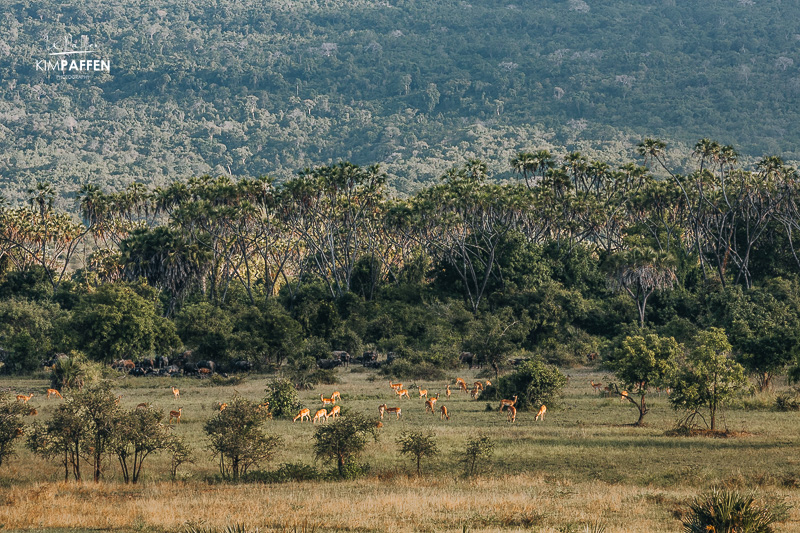
What makes Nyerere ecologically compelling is that none of these habitats exist in isolation. The miombo woodland offers shade, food, and cover for elephant, giraffe, buffalo, and antelope. The river, lakes, wetlands, and seasonal floodplains bring water, nutrients, and movement into the landscape. In the dry months, these water sources become increasingly critical; in the green season, they're part of a far larger, more dispersed water system. As the landscape shifts, so does the behaviour and distribution of wildlife.
Along the Rufiji and the lakes, denser riverine vegetation forms greener, shadier corridors — routes for animals and rich habitat for birds, monkeys, bushbuck, and other water-dependent species.
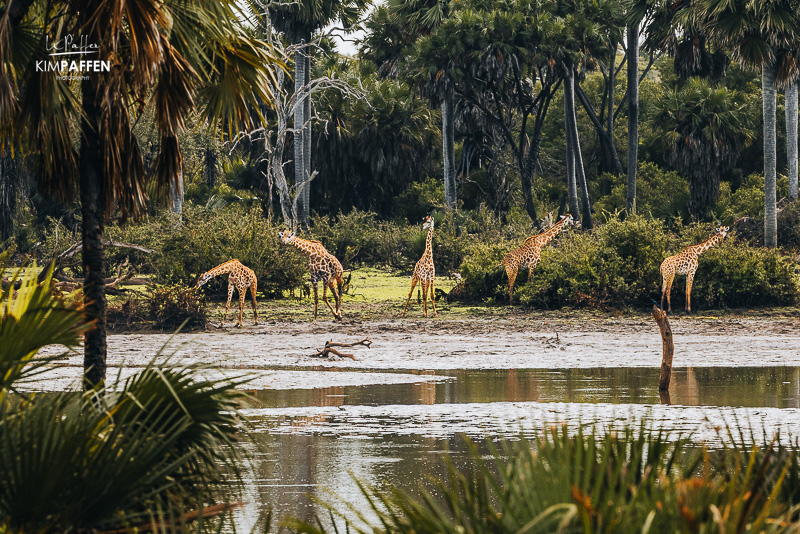
Nyerere is far more than water, though. Around Beho Beho, the landscape opens up into savanna-like plains, sand tracks, and long sightlines — a different kind of spaciousness entirely. At moments, that region reminded us of a pocket-sized Serengeti: not in terms of migration or crowds, but in openness, light, and the sense that the landscape simply keeps going. That range — river, lakes, wetlands, woodland, open plain — is exactly what makes a Nyerere safari so varied.
What wildlife can you see in Nyerere National Park?
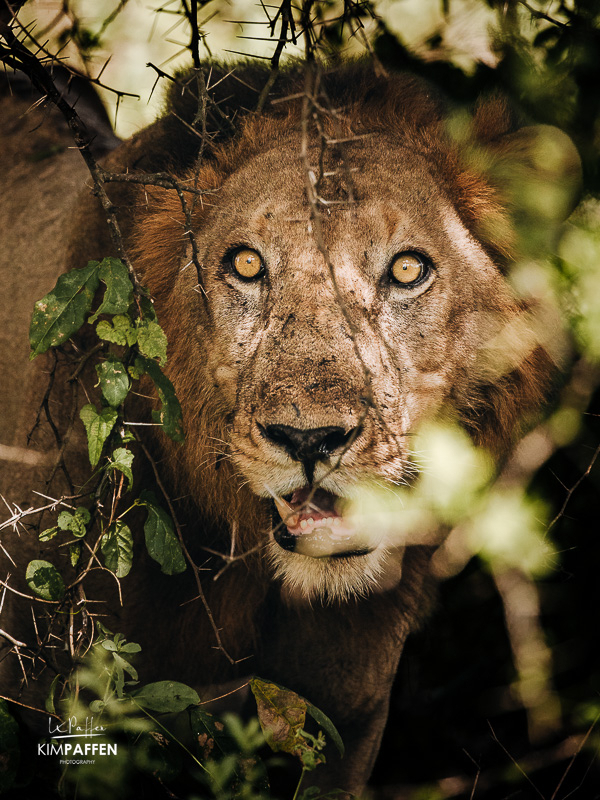
One of the most common questions we get is simple: what animals can you actually see in Nyerere National Park?
Nyerere is known for real diversity, including:
- elephant
- lion
- leopard
- buffalo
- giraffe
- zebra
- wildebeest
- impala
- waterbuck
- eland
- hippo
- crocodile
- hyena
- warthog
- black-and-white colobus monkey
- a wide range of birdlife
- and, with some luck, African wild dogs
African wild dogs are one of Nyerere's standout species. Social, intelligent, and pack-hunting, they need large, undisturbed territories — which is exactly what a park this size, this quiet, and this connected to a larger ecosystem can offer.
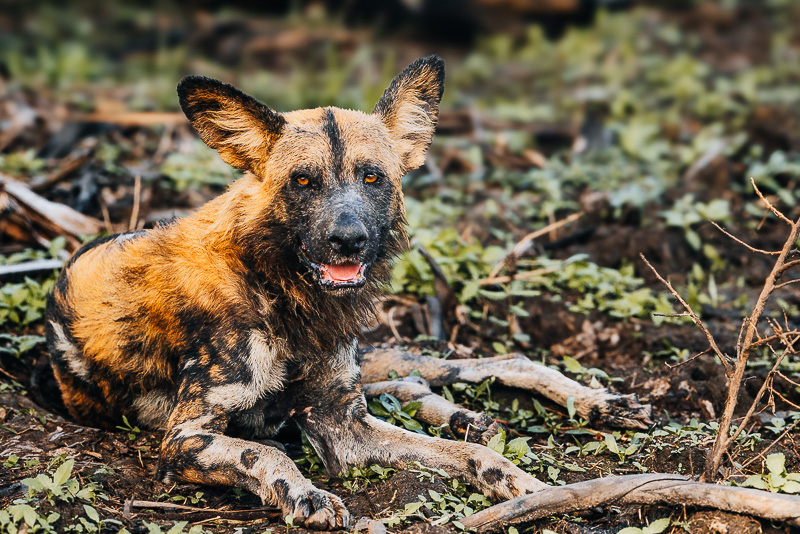
A wild dog sighting is never guaranteed. Packs move constantly, hold huge territories, and can be entirely absent from an area for days. Even so, Nyerere ranks among Tanzania's better spots for a genuine chance at seeing them. We were lucky enough to see wild dogs at Lake Manze — not especially active, but even watching this endangered species at rest left a strong impression.
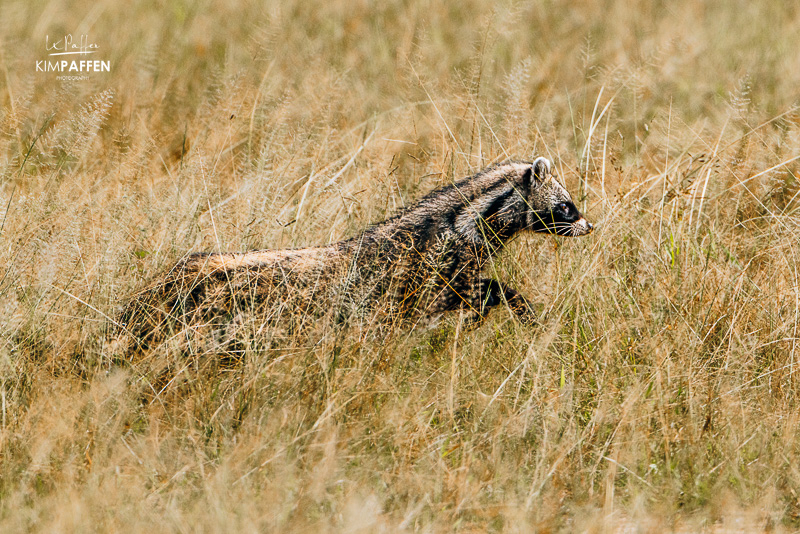
Seeing some of the smaller and more unusual animals — such as an African civet in broad daylight, made our safari in Nyerere even more special.
Birders will also find plenty here. The mix of river, lake, marsh, forest, and open landscape supports real variety: fish eagles, kingfishers, bee-eaters, storks, herons, vultures, and many more.
Can you see the Big Five in Nyerere National Park?
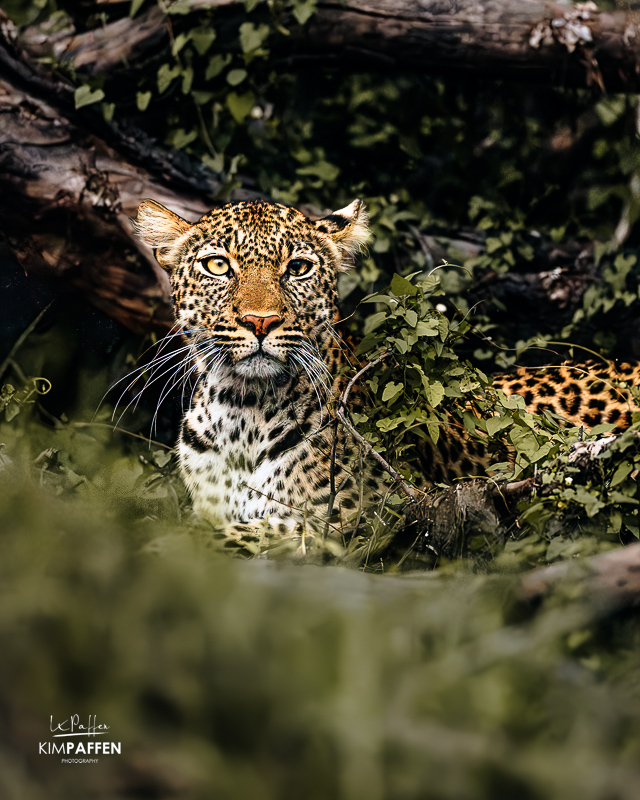
No — in practice, you cannot see a complete Big Five in Nyerere National Park. Elephant, buffalo, lion, and leopard are all present, but rhino is not a realistic sighting here.
Rhinos once occurred naturally across the Selous landscape, but intense historical poaching has driven numbers down to near zero. Rhino sightings are now essentially impossible in Nyerere; according to information we received on the ground, the last confirmed sighting in this area was in 2015.
We think it's important to be upfront about this, because a lot of older or generic content online still markets Nyerere or Selous as a Big Five destination. We wouldn't frame it that way. Nyerere isn't the right park for travellers focused on checking off a Big Five list — a different Tanzania route would serve that goal better.
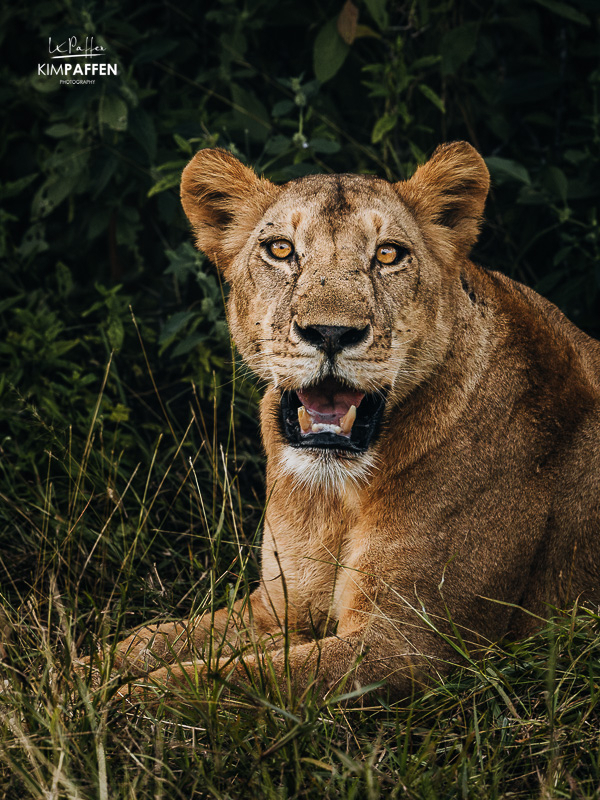
There's talk of potentially reintroducing rhino here in the future. That would require careful planning, sustained protection, strong anti-poaching measures, and continuous monitoring. Whether — or when — that happens remains genuinely unknown.
For us, Nyerere's real value lies in what it actually is: a vast, quiet, water-rich ecosystem with strong odds of spotting wild dogs, exceptional boat safaris, rich birdlife, elephants, predators, and a style of safari built around learning to look rather than ticking boxes.
What can you do in Nyerere National Park?
A Nyerere safari is genuinely varied — game drives, boat safaris, walking safaris, a stop at Maji Moto Hot Springs, and, at some camps, even fly-camping.
Game drives
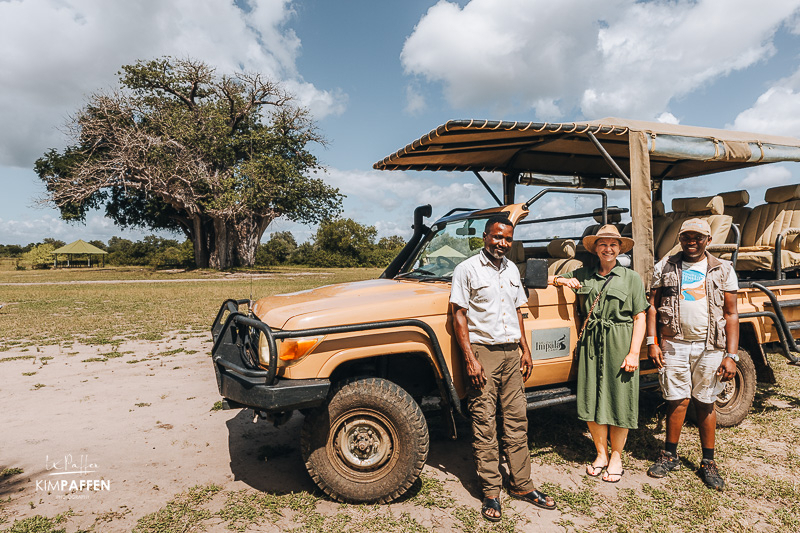
Game drives remain the backbone of most Nyerere safaris — through open country, woodland, along water, and through stretches where wildlife can appear suddenly out of the vegetation. You'll typically be in an open 4x4, sometimes with a single guide who also drives, sometimes with both a guide and a driver (who is often a guide in their own right too).
Because the park is so large, a strong guide and a well-chosen camp matter more here than almost anywhere else in Tanzania. Not every area performs equally well in every season. An experienced guide reads tracks, wind direction, recent animal movement, and the behaviour of birds and prey species — turning a game drive into something far richer than simply driving until something big appears.
Boat safari on the Rufiji River and the lakes
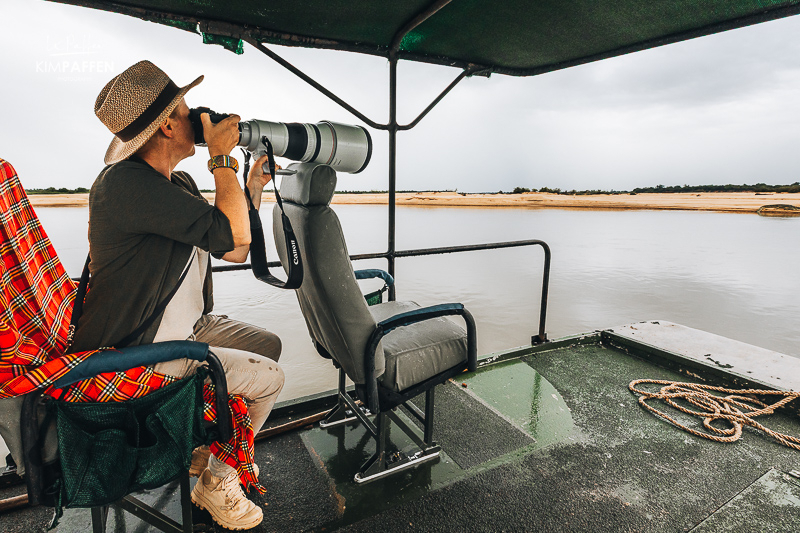
The boat safari was, for us, one of the clear highlights of Nyerere. From the water, you see wildlife differently — sitting lower, moving slower, experiencing water as the lifeline it actually is.
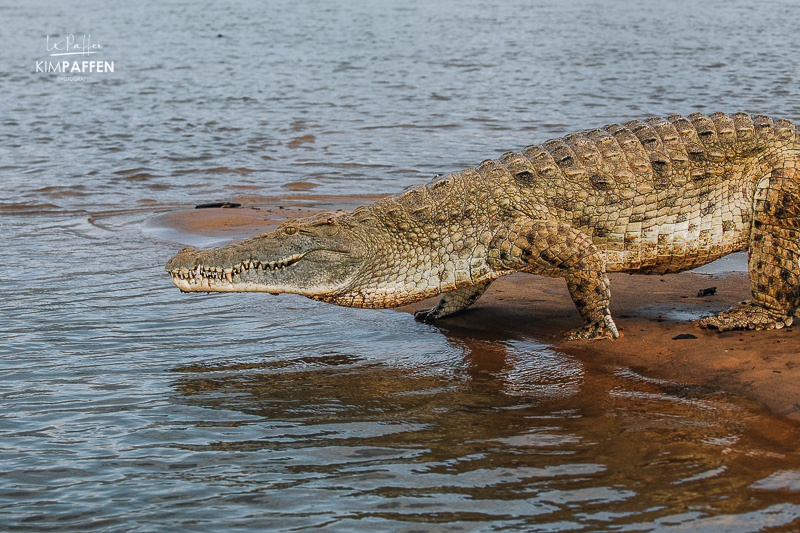
Most people picture the Rufiji River when they think of a Nyerere boat safari, and rightly so — it's one of the park's most iconic settings for one. Hippos, crocodiles, and waterbirds are usually easy to spot, and elephants or antelope will often come down to the banks to drink.
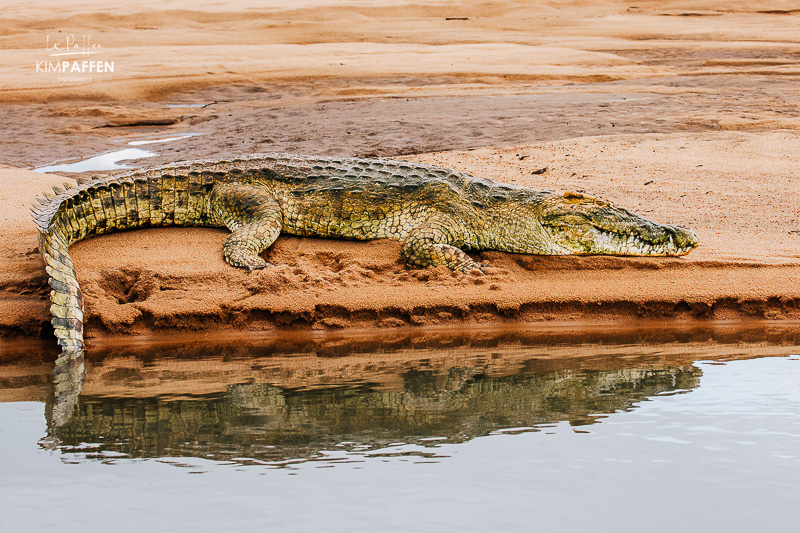
Boat safaris aren't limited to the Rufiji, though. Several lakes also run them, including Lake Manze and Lake Nzerakera. Lake Manze stood out to us personally — the more compact setting concentrates wildlife around the water, giving you a very direct experience of animals, water, birds, and landscape all at once.
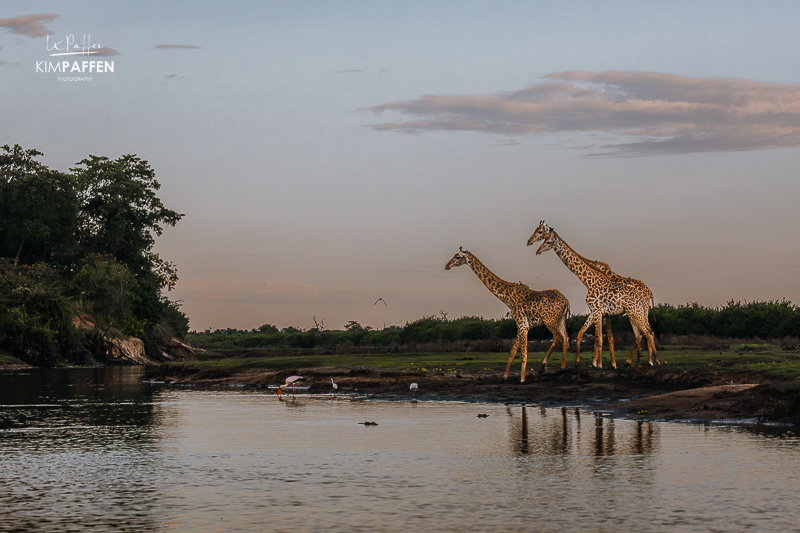
One detail worth knowing: as far as we understood on the ground, Lake Manze Tented Camp is currently the only camp permitted to run boat safaris on Lake Manze itself, which makes its location genuinely special for travellers who want to combine game drives with boat safaris.
Boat safaris are deeply calming, and they offer a different lens on the park. You don't need to keep moving to experience something. Sometimes it's enough to drift slowly, listen to hippos, watch birds in the reeds, and let the light change around you.
Walking safari
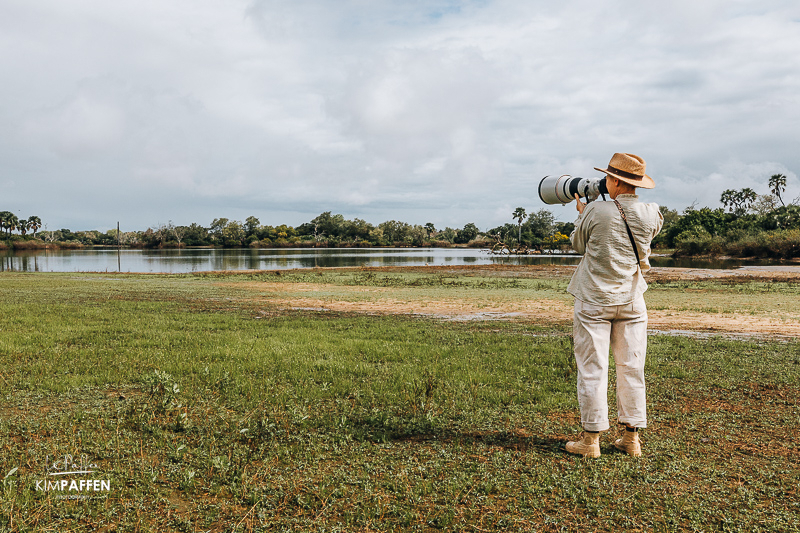
A walking safari in Nyerere shifts your attention downward — to tracks, plants, insects, droppings, bones, wind, sound, and silence. You don't need to cover much distance to see a great deal.
For us, this activity connects directly to conscious, attentive travel. Walking in the bush isn't about adrenaline; it's about presence. It quickly becomes clear how much you normally miss from a vehicle, and how much information is hiding in small details.
Walking safaris in Nyerere always include a TANAPA ranger alongside your guide, and come with an additional fee. Recent public rate overviews and lodge information often cite a walking safari fee of roughly USD 23.60 per person, but park and activity fees can change — always confirm current pricing with your local partner or camp before booking.
A walking safari always follows the park's safety protocols. Wildlife welfare and traveller safety come first, without exception.
Maji Moto Hot Springs
Beyond game drives, boat safaris, and walking safaris, Nyerere also offers a visit to Maji Moto Hot Springs. "Maji moto" literally means "hot water" in Swahili, and the springs make for a pleasant change of pace during a stay in the park.
It's not a classic wildlife activity, which is exactly why it's interesting — a different side of the landscape entirely. Depending on your route, camp, and season, a Maji Moto stop can work as a quiet break or as part of a longer game drive.
For travellers spending multiple nights in Nyerere, this kind of variety adds real value. Not every activity needs to be judged purely by animal count; sometimes the value is in the landscape, the water, the silence, and the sense of how genuinely diverse this ecosystem is.
Fly-camping on the Rufiji River
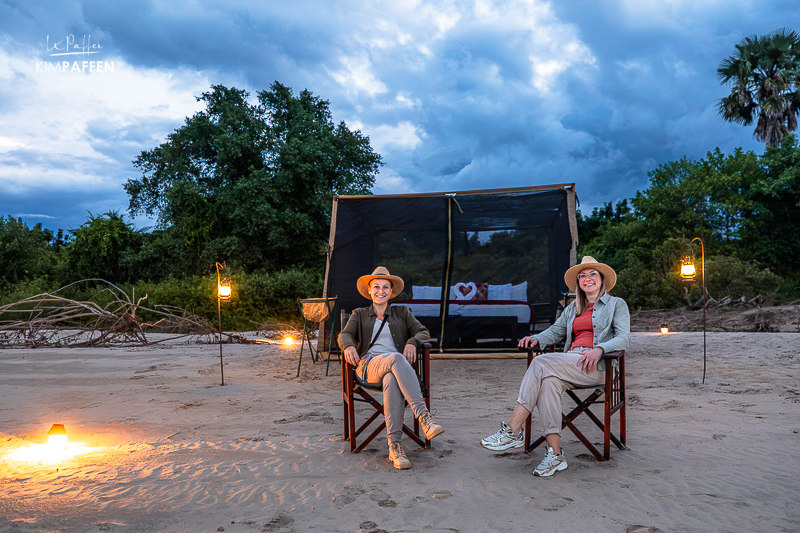
One of the most memorable experiences of our stay was a night fly-camping at Selous Wilderness Camp. We slept on a sandbank along the Rufiji River, inside a luxury tent with a mesh canopy overhead instead of a solid roof. From bed, we watched the stars and listened to the sounds of the night.
That feeling — not shut off from nature, but carefully becoming part of it — left a lasting impression. Fly-camping obviously isn't for everyone; it asks for a taste of adventure, comfort with night sounds, and an appetite for a purer form of bush experience. For travellers looking for something out of the ordinary, guided safely by a professional team, it can be one of the most memorable experiences Nyerere has to offer.
Birdwatching
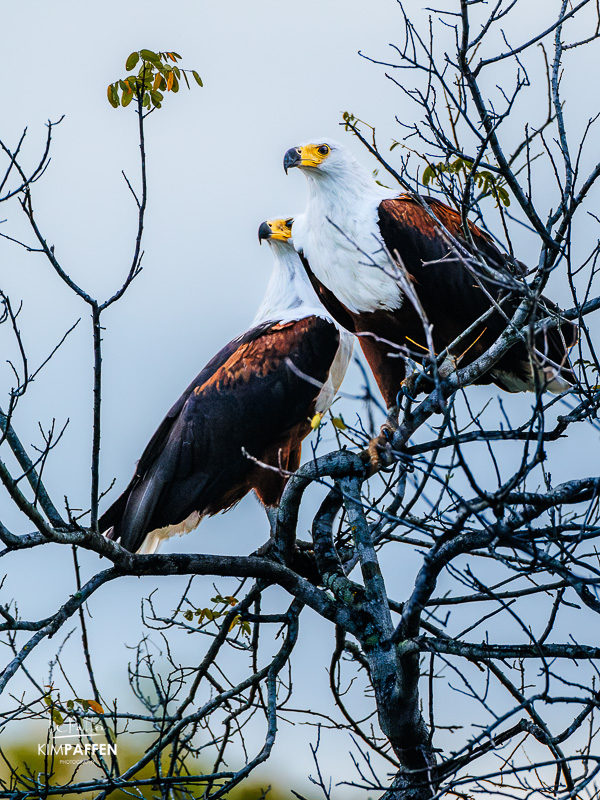
Nyerere is also a strong destination for birders. The combination of river, lakes, marsh, forest, and open landscape creates real variety.
Even for non-specialists, birds add a lot to the safari experience — they tell you about the landscape, where water is, where predators might be moving, where alarm is being raised, where life is concentrating. For photographers, birds are also an excellent way to practise light, movement, composition, and patience.
Travelling responsibly in Nyerere National Park
Nyerere is a wild, fragile ecosystem, which makes responsible behaviour essential. On game drives, stay in the vehicle unless your guide or ranger confirms it's safe and permitted to step out. On walking safaris, always follow the instructions of the TANAPA ranger and guide.
Vehicles belong on designated roads and tracks. Driving off-road can damage fragile vegetation and needlessly disturb wildlife. Speed, noise, and distance all matter too — driving calmly, speaking quietly, and keeping appropriate distance from wildlife makes for a better experience for both people and animals.
Feeding, luring, or chasing wildlife has no place in ethical safari practice. Leave no litter, respect an animal's rest, and never fly a drone without official permission. For us, the principle is simple: the welfare of wildlife, landscape, and local communities always comes before the photo, the route, or the sighting.
Best time to visit Nyerere National Park
The best time to visit Nyerere National Park is often described as June through October. That's broadly accurate, though our own experience adds some nuance.
Many camps only reopen in the first week of June, once the long rains have passed. We visited during that first week and still hit several rainy days. In places, the roads clearly still bore the marks of the previous rainy season, and a lot of water remained scattered across the park — meaning wildlife wasn't yet strongly concentrated around the five lakes and the river.
That didn't make the safari less beautiful, just different. In early June, the landscape was lush and green, but wildlife was more spread out. We saw fewer large concentrations of animals, and hadn't yet hit the typical dry-season pattern of animals visiting the lakes or river daily to drink.
July to October: the most reliable window.
For more certainty around weather, road conditions, and wildlife concentrations near the lakes and river, we'd generally recommend July through October. Vegetation dries and opens up, water sources become more critical, and animals concentrate more predictably around the lakes, river, and permanent water points. For a first Nyerere safari, this is usually the most sensible period.
Early June: green, quiet, slightly less predictable
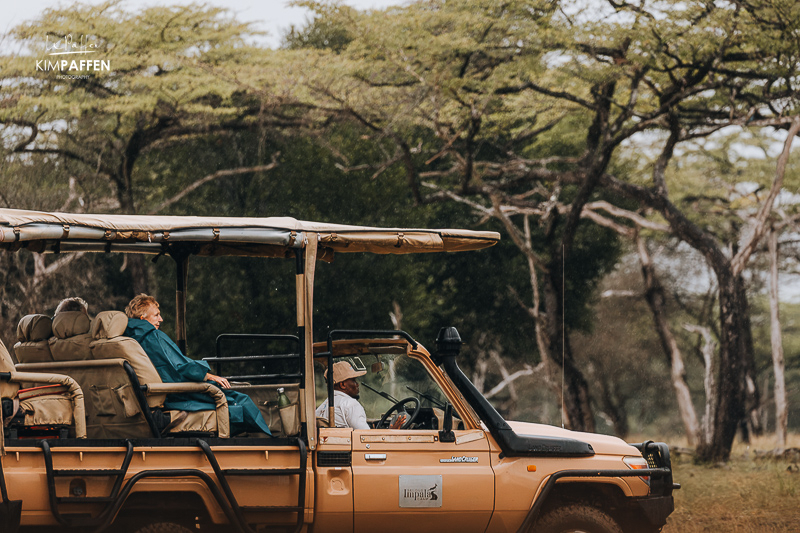
Early June can be beautiful but requires flexibility. The landscape is still green, some roads can be rough, and wildlife tends to be more dispersed. At the same time, the park can feel remarkably quiet in this window, with lovely light, freshness in the air, and a strong sense of transition between rainy and dry season.
The green season and accessibility
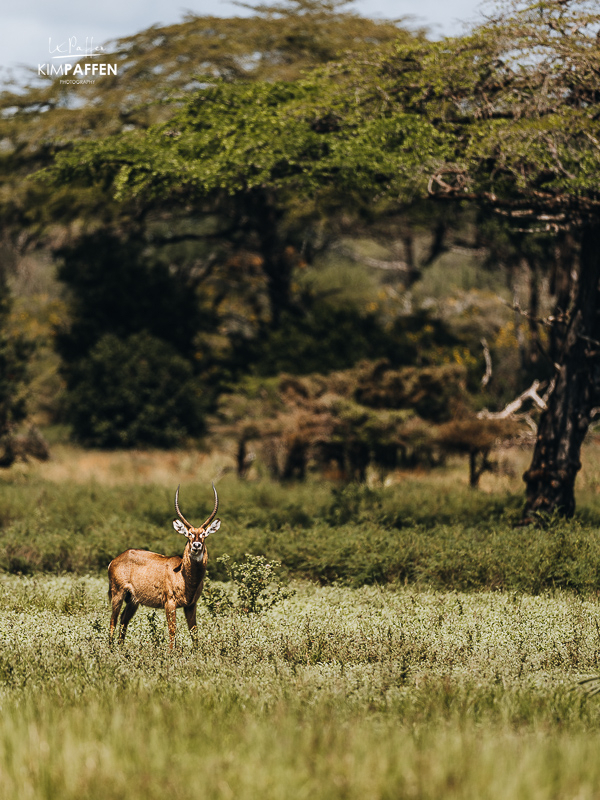
Roughly November through May, Nyerere turns lush and green. For photographers, this can be stunning — softer light, dramatic skies, vivid greenery, and animals set against a lush backdrop. Some guides call this the "camera season." It also demands more flexibility: rain can turn sand tracks to mud, and parts of the park can become temporarily difficult or impossible to reach. Wildlife tends to be more dispersed too, since water is available in more places, so you won't see the same concentrations around the lakes and Rufiji River that build later in the dry season.
Because of poorer road access during the rains, many lodges — particularly from March through May — close entirely. Most camps in and around Nyerere reopen in June. A capable 4x4, experienced guides, and up-to-date local knowledge matter even more during this transitional stretch.
November to February: greener, warmer, good for birding
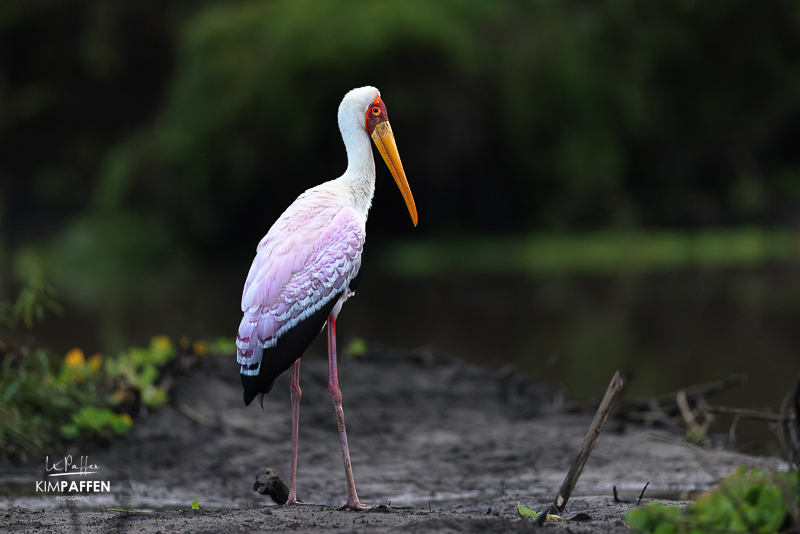
After the first short rains, the landscape greens up again. Wildlife can be more dispersed, but the light, birdlife, and atmosphere can be gorgeous. For photographers, this can be especially interesting, as dust gives way to softer colours and more dramatic skies. This window asks for a bit more flexibility but can deliver a lot of beauty.
March to May: the long rains
The long rains can complicate travel significantly. Many camps close during this period, and roads can become difficult to navigate. For a first Nyerere safari, we generally wouldn't recommend these months.
How do you get to Nyerere National Park?
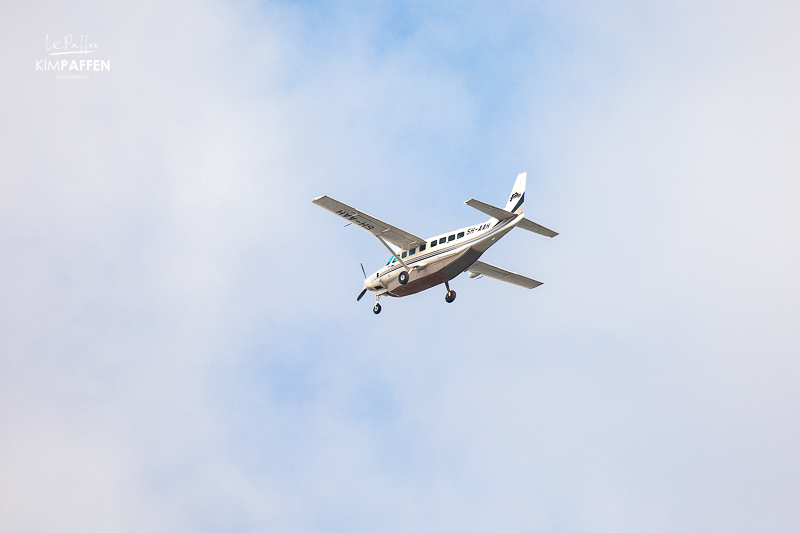
Nyerere National Park sits relatively close to Dar es Salaam, though getting there still takes some planning. You have two realistic options: an overland transfer or a short flight.
We drove ourselves, transferring from Dar es Salaam to Nyerere. The trip took roughly 5 hours, partly over rough roads, past rural villages, and through everyday life outside the city. It's not a smooth highway drive, but that's exactly what gives you an early sense of the landscape, the villages, and the pace of southern Tanzania.
For travellers searching for a safari from Dar es Salaam or a safari near Dar es Salaam, Nyerere is one of the most logical choices — far closer to the city than the Serengeti, even if the overland journey remains a genuine travel day given road conditions and distance.
Travellers short on time, or who simply prefer more comfort, often find flying the better option. Several small airstrips serve Nyerere, including Mtemere Airstrip and others used by individual camps.
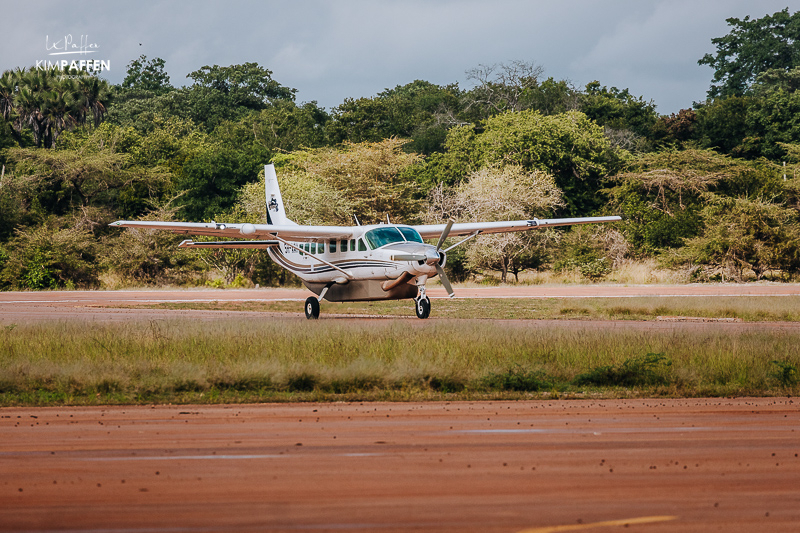
Airlines such as Auric Air fly from Dar es Salaam to Nyerere, alongside other safari airlines connecting Dar es Salaam, Zanzibar, Nyerere, and other Tanzanian safari destinations.
A flight from Dar es Salaam to Nyerere usually takes around 45–60 minutes, depending on route, airstrip, and any stops along the way — which makes flying especially appealing if you're combining Nyerere with Ruaha, Zanzibar, or elsewhere in Tanzania without losing significant time to overland transfers.
Day trips from Zanzibar to Nyerere are also on offer: an early-morning flight into or near the park, a game drive, and a return flight the same day. That can work for travellers genuinely short on time, though it only offers a brief taste of the park.
Both approaches have their appeal. An overland transfer gives you a real feel for the country between city and park — villages, roads, markets, landscape, everyday life along the way. Flying offers ease, saved time, and often stunning aerial views of the landscape and the Rufiji River.
For most travellers:
- Overland transfer: works well if you have time, want to experience the landscape en route, and the route fits logically into your trip.
- Fly-in safari: ideal if you want more comfort, want to save time, or are combining Nyerere with other parks or Zanzibar.
- A mix of both: sometimes driving in and flying out (or vice versa) strikes a nice balance between experience and comfort.
We don't just look for the fastest route: we look at what actually fits your trip. Sometimes an overland journey is genuinely worthwhile. Sometimes a short flight in gives you more rest instead. In Nyerere specifically, that choice really does shape the rhythm of your safari.
Can you do a day trip to Nyerere from Zanzibar?
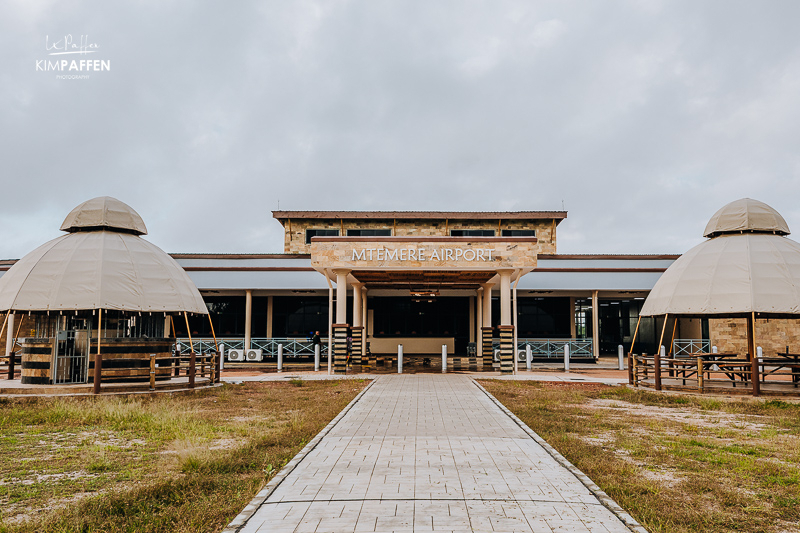
Day trips from Zanzibar to Nyerere National Park are increasingly common. For travellers on a beach holiday in Zanzibar who still want a taste of safari, it's an appealing idea: fly out very early, do a game drive, fly back the same day.
Practically speaking, it's entirely doable — and for some travellers, it's a useful first taste of safari.
We personally wouldn't choose this option, though.
A safari needs time. Time to settle into the landscape, to listen, to wait, to read tracks, to observe behaviour, and to accept that wildlife doesn't operate on a schedule. In a park like Nyerere, where the real strength lies in space, water, silence, and the rhythm of nature, a single day often feels rushed.
Lodges and guides also notice that day trips bring a different pace. With only a few hours available, the priority shifts toward seeing as much as possible in limited time, and vehicles move faster from sighting to sighting — while travellers spending multiple nights in the park tend to come specifically for rest, depth, and a more natural safari experience.
That doesn't make a day trip "wrong." It's simply worth being honest about what you're choosing. A day trip from Zanzibar gives you a brief impression of safari. Multiple nights in Nyerere give you the chance to actually experience the park.
If you have the time, we'd always recommend at least 2 to 3 nights in or near Nyerere — enough room for early mornings, evening light, boat safaris, unexpected moments, and the slow kind of looking that makes a safari so much richer.
How many days do you need in Nyerere?
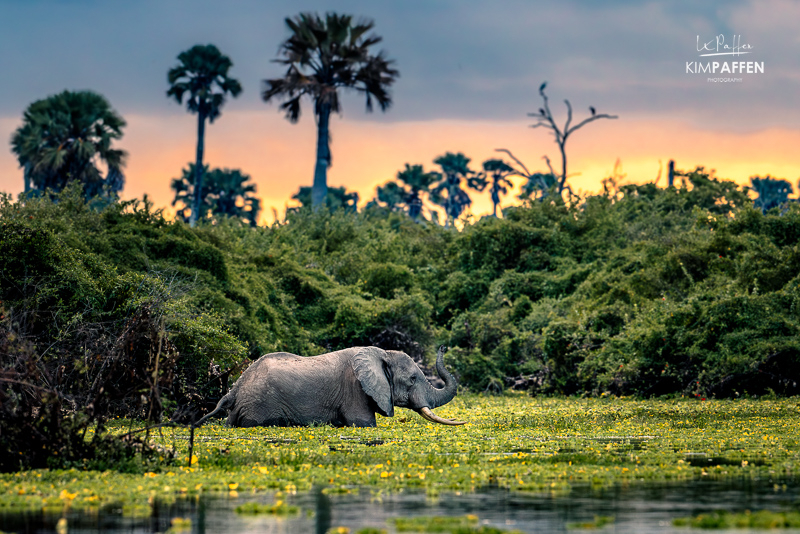
We spent 7 nights in Nyerere, spread across multiple camps — longer than most standard itineraries, but it gave us the chance to experience the park from several different angles.
For most travellers, we'd suggest:
- 2 nights: too short, unless you're genuinely pressed for time and just want a first impression.
- 3 nights: the minimum for a proper first introduction.
- 4 nights: comfortable for game drives plus at least one or two unhurried boat safaris.
- 5+ nights: ideal if you want rest, photography time, or want to combine several areas of the park.
- 7 nights: immersive — particularly rewarding for genuine nature lovers, photographers, or travel professionals.
Because Nyerere is so large, and arrival/departure days rarely offer a full safari day, three nights feels far more sensible than two.
Four nights is often a sweet spot. Some lodges even offer 4-nights-for-the-price-of-3 deals — you'll typically still pay park fees for 4 nights, but the extra lodge night is included or free. That extra room matters: more time to visit different lakes and areas, fit in a Rufiji or Lake Manze boat safari, and avoid experiencing the park at a rushed pace.
If you're combining Nyerere with Ruaha, Mikumi, or Zanzibar, pay close attention to travel time, flight connections, and your preferred pace.
What does a safari in Nyerere National Park cost?
Costs for a Nyerere safari depend heavily on season, camp type, number of nights, how you travel, and any activities you add. A simple or mid-range safari is naturally priced differently than a luxury fly-in safari with private guiding and exclusive camps.
As a rough guide, a quality Nyerere safari often runs somewhere around USD 500 to USD 1,000+ per person per day, depending on comfort level, park fees, transfers or domestic flights, activities, and camp choice. Budget options can come in lower, particularly with shared or simpler arrangements — though we'd rather not focus purely on the lowest price. A strong guide, well-chosen location, reliable local partner, and unhurried pace make a real difference in Nyerere.
What are the Nyerere National Park fees?
Nyerere National Park fees are charged per person, per 12- or 24-hour period, depending on current regulations and how your trip is structured. Separate costs may apply for activities like walking safaris, boat safaris, or fly-camping. Because park fees and activity fees change, we always have our local partners confirm current rates before putting together a proposal. Get in touch for up-to-date pricing.
Where to stay in Nyerere National Park: from simple tented camp to luxury lodge
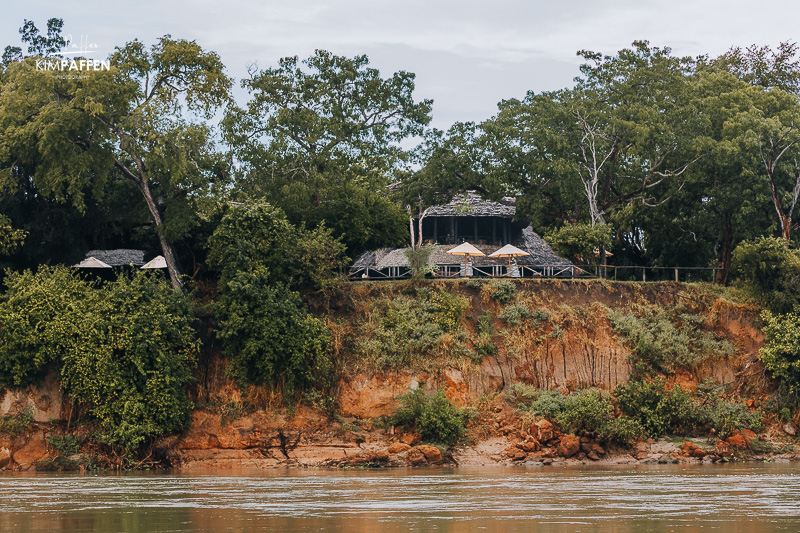
Choosing where to stay is a major part of planning a Nyerere safari. The park is large, and your camp's location shapes much of how you experience it.
A camp on the Rufiji River offers a different atmosphere than one on a lake or deeper in the bush. Comfort levels vary too, from simple, authentic tented camps to comfortable mid-range camps and more luxurious lodges.
We stayed at four different camps and lodges:
- Selous Wilderness Camp
- Rufiji River Camp by Foxes Safari Camps
- Selous Impala Tented Camp
- Lake Manze Tented Camp
That gave us a strong sense of the different ways to experience Nyerere.
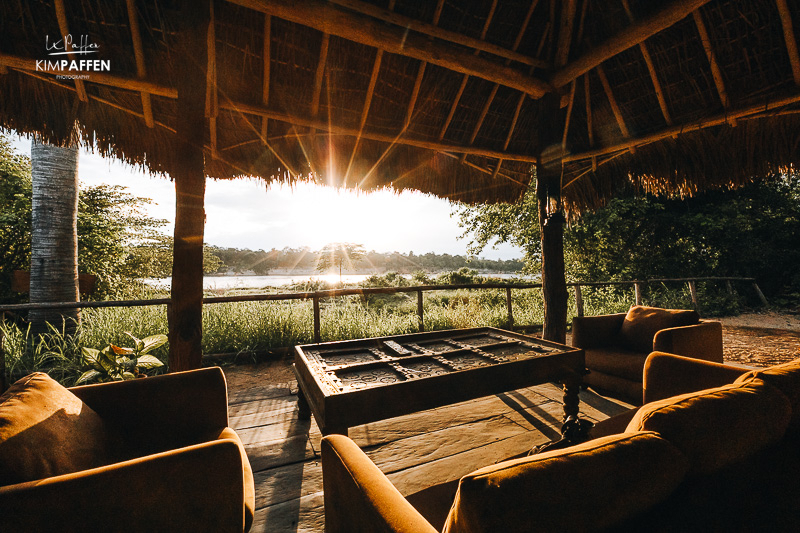
Selous Wilderness Camp sits on the Rufiji River with a small-scale, authentic bush atmosphere — a good fit for travellers who want to stay close to nature without necessarily chasing luxury. For us, the fly-camping experience on the sandbank along the Rufiji was the real standout here.
Rufiji River Camp by Foxes Safari Camps sits directly on the river and suits travellers who want comfort, riverside location, and logistical ease combined. The river experience is central to the atmosphere here, and Foxes' remarkably quiet safari jeeps make for an exceptional safari experience.
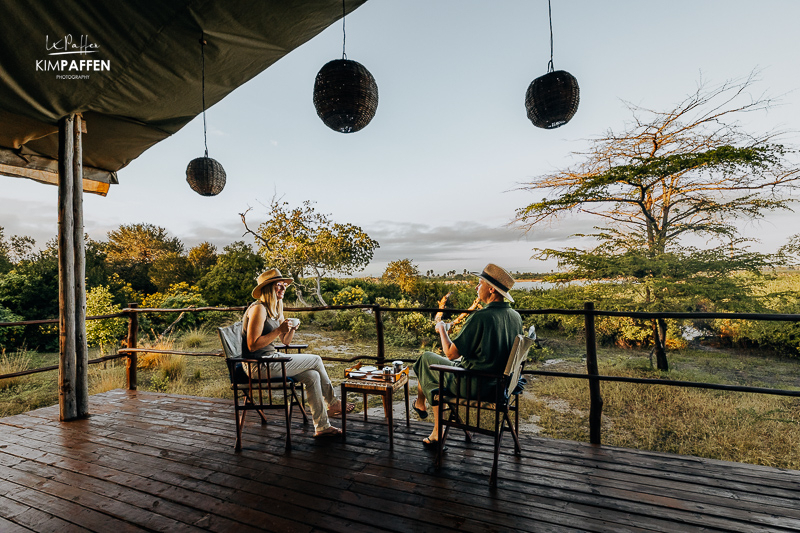
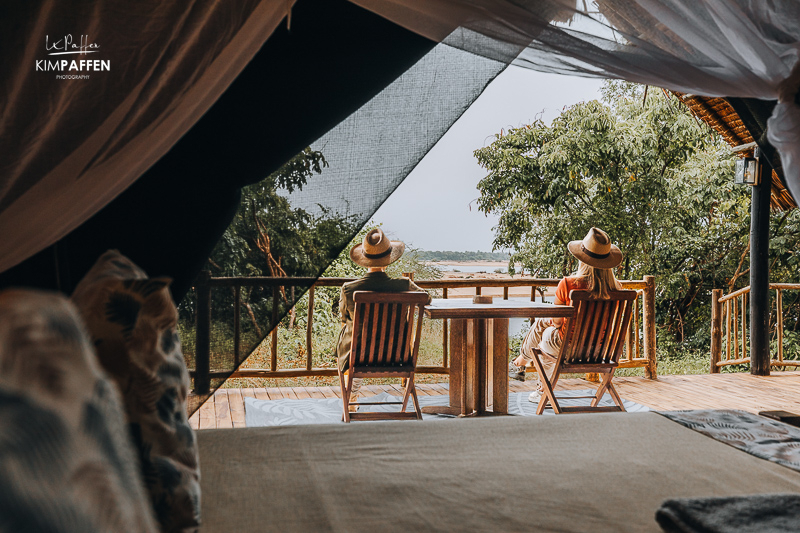
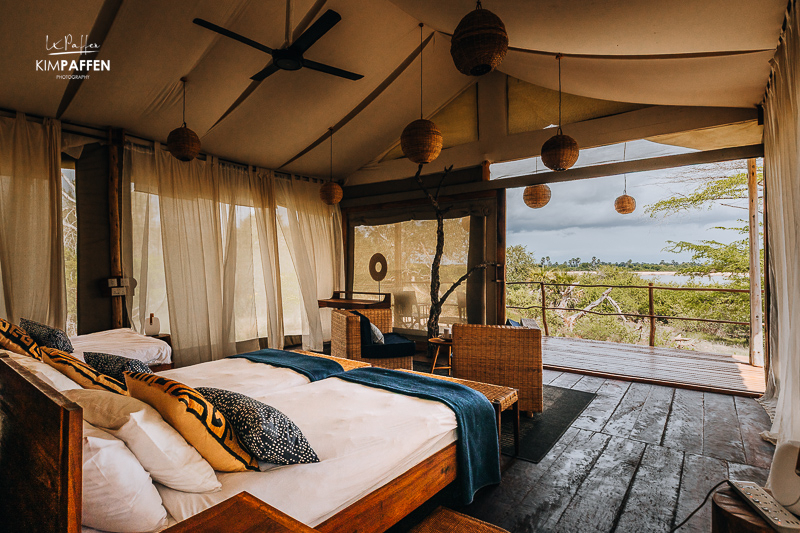
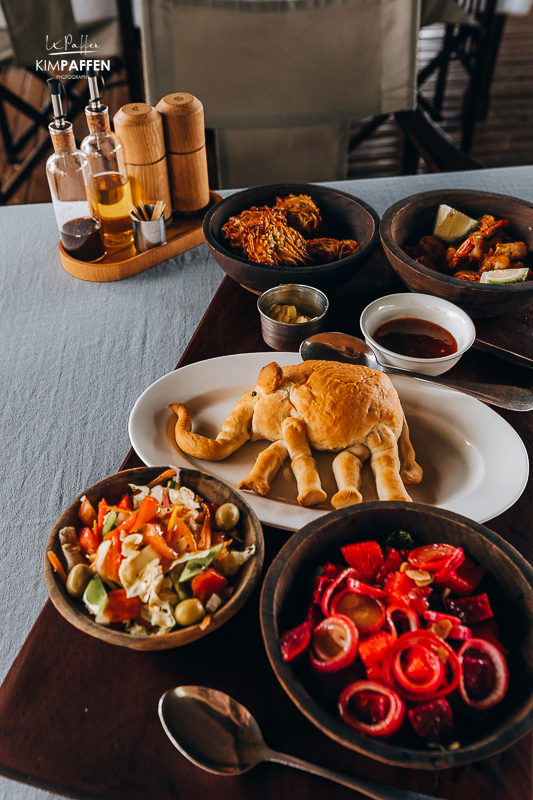
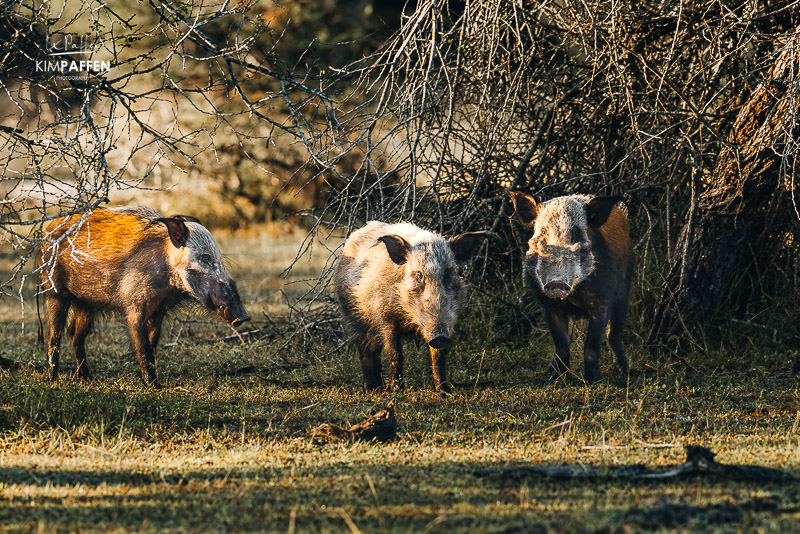
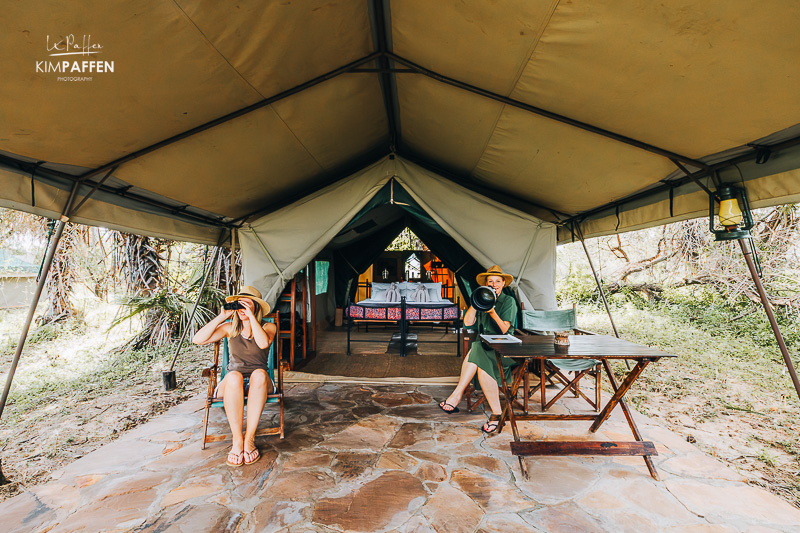
Selous Impala Tented Camp gave us the best overall experience of the trip. We stayed in a beautifully appointed, spacious raised tent right on the river, complete with a balcony overlooking the water. Every morning, we heard and watched four fish eagles in the tree outside our tent. The combination of strong game drives and boat safaris, warm staff, excellent food, and small touches — like bread baked in animal shapes — made this stay memorable. On the camp grounds we spotted bush pigs, and found leopard tracks on the path to our tent.
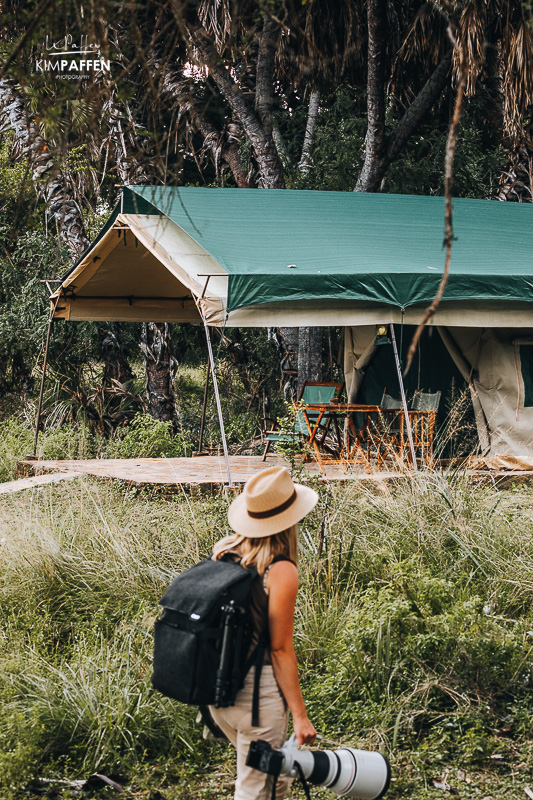
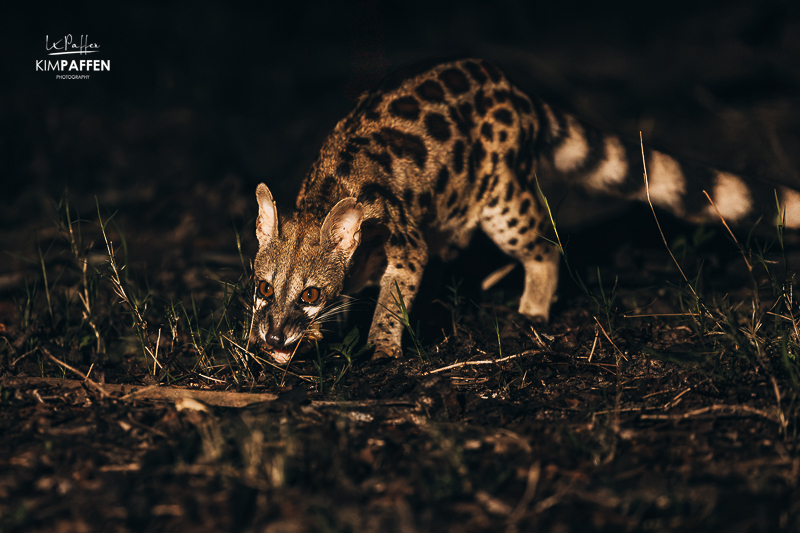
Lake Manze Tented Camp sits on Lake Manze and delivers a more pronounced wilderness feel — a good match for travellers chasing genuine bush atmosphere over polished facilities. For us, the lakeside setting was one of the real highlights of the whole trip. In the evening, we also spotted genets near camp — small, quiet creatures you tend to notice only once you slow down and look properly.
What our stay at these different camps made clear: there's no single "best lodge" in Nyerere. There's a best choice for your particular trip.
Some travellers want a comfortable riverside camp. Others want a simple tented experience where you fall asleep to the sounds of the bush. Some want to fit in as many activities as possible; others prioritise rest, views, photography, or a small-scale atmosphere.
We look at the combination of:
- location within or near the park;
- landscape type: river, lake, forest, or open plain;
- comfort level: simple, mid-range, comfortable, or luxury;
- activities: game drives, boat safari, walking safari, Maji Moto Hot Springs, or fly-camping;
- travel party: solo, couple, family, or small private group;
- season and accessibility;
- desired atmosphere: adventurous, quiet, intimate, or more polished.
The number of properties in and around Nyerere shifts over time, and online lists aren't always current. What's clear is that the number of camps within the park is relatively limited given its size — part of what keeps the atmosphere so calm, but also a reason camp choice and availability genuinely matter. Getting that right makes a real difference to whether your safari fits not just practically, but with the way you like to travel.
Our personal highlights in Nyerere
After seven nights, a handful of moments still stand out clearly.
Our favourite spot: Lake Manze
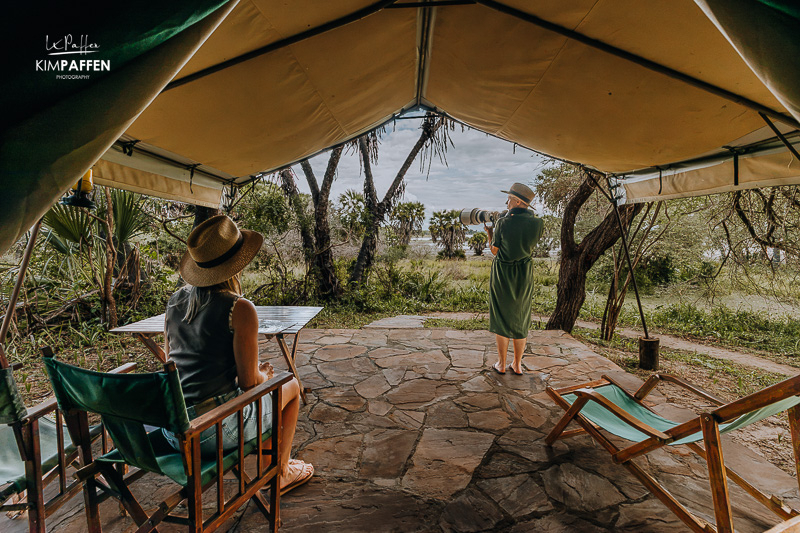
Landscape-wise, this lake is stunning, alive with birds, and rich with wildlife along its edges — hippos and crocodiles in the water, birds everywhere around it.
Because our camp sat directly on the lake, both the tents and the main area looked straight out over the water. That changes things: you don't always need to drive to experience the landscape. Sometimes plenty happens while you sit still and watch. Because this stretch feels more compact than other parts of Nyerere, it's a beautiful place to observe how animals relate to water.
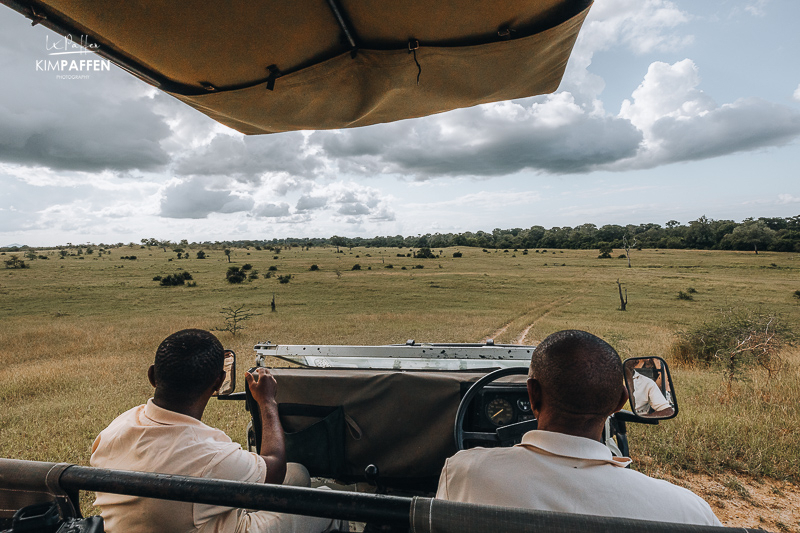
Beho Beho stayed with us too. We spent a full day there on a full-day safari with a bush lunch, and passed exactly zero other vehicles. At times, the landscape felt like a pocket-sized Serengeti: open plains, wide views, and that particular sense of space that safari lovers feel deeply. Here, it felt even more exclusive — like we had the whole area to ourselves.
Favourite activity: the boat safari
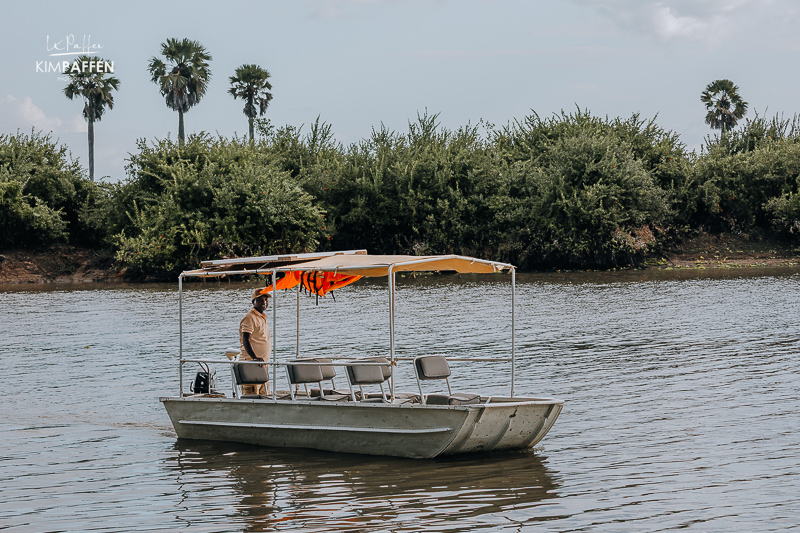
You can't do this in every Tanzanian park, and the combination of game drives and boat safaris is a big part of what makes Nyerere so strong. Everything feels calmer from the water. You see wildlife from a different angle, and you notice how central the river and lakes are to the entire ecosystem.
Best safari jeeps: Rufiji River Camp by Foxes Safari Camps
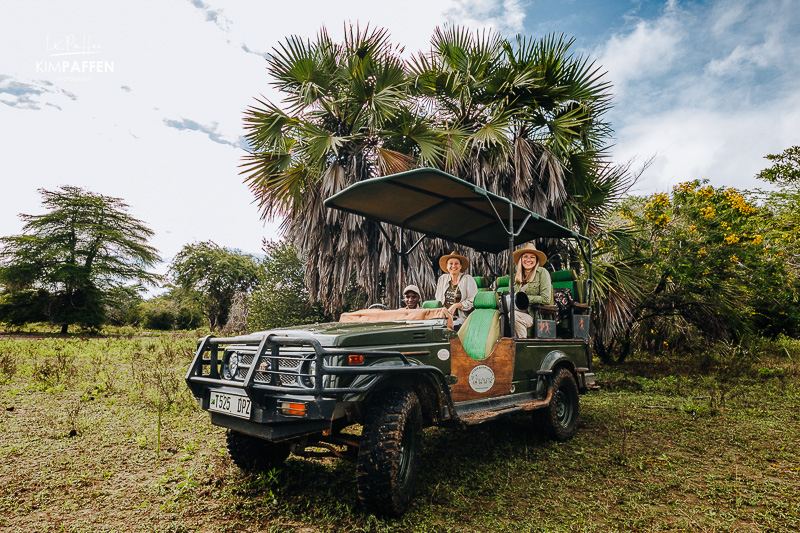
They were so quiet we actually asked if they were electric. A near-silent jeep genuinely improves the safari experience — you hear more of the landscape, move more calmly through the bush, and disturb wildlife less. The enormous, centuries-old baobab greeting us on arrival at Rufiji River Camp stuck with us too — a striking symbol of the time, scale, and stillness of this landscape.
Most memorable experience: our night fly-camping at Selous Wilderness Camp, on a sandbank along the Rufiji River.
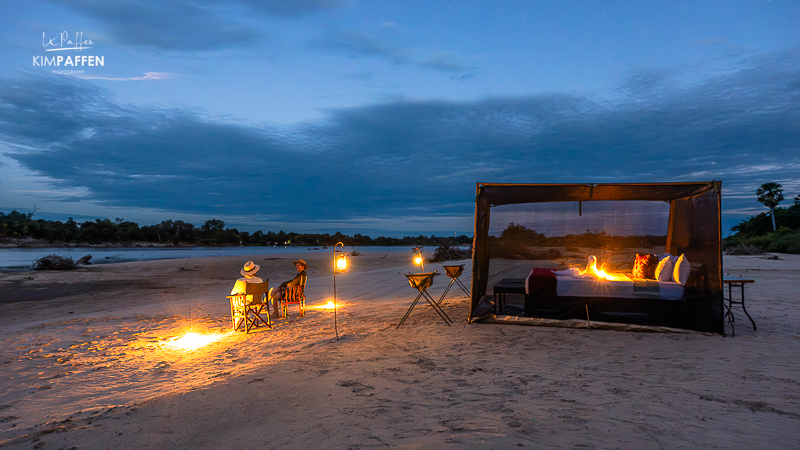
Watching the stars from bed and listening to the sounds of the bush gave us a sense of connection that doesn't fade quickly.
Best overall camp: Selous Impala Camp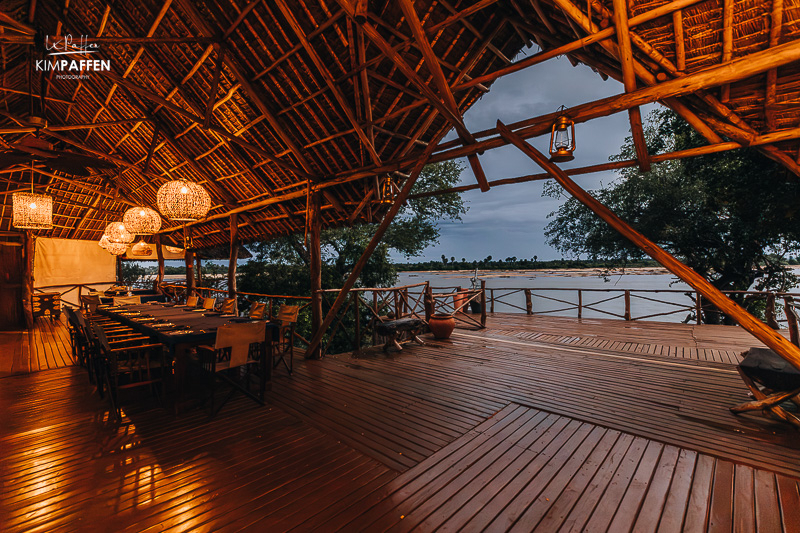
The riverside setting, the spacious raised tent, up to four fish eagles in the tree outside it, the quality of the activities, the food, and the warmth of the team all came together into a genuinely complete stay.
Our most memorable wildlife sightings
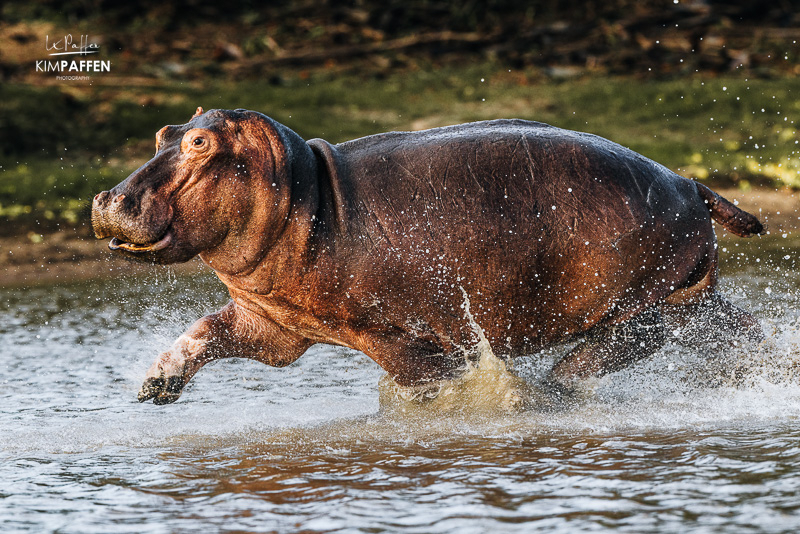
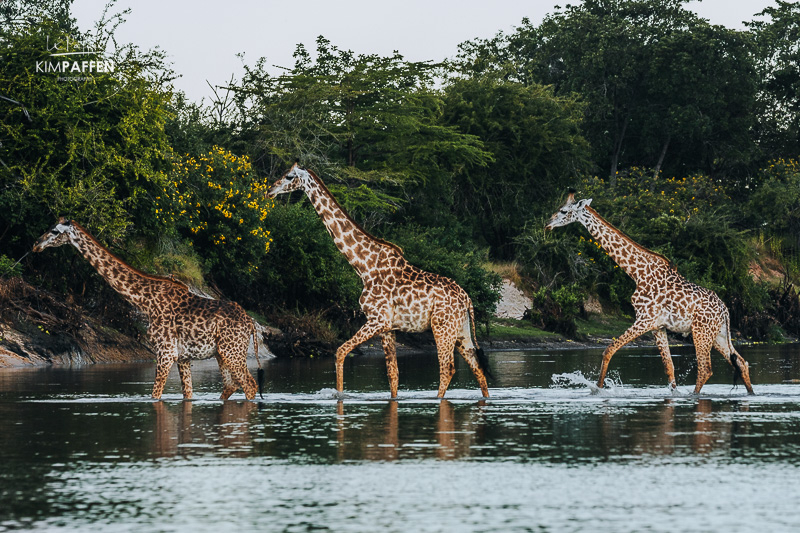
The moments with wild animals that stayed with us most included the wild dogs at Lake Manze, a hippo sprinting through splashing water in the golden hour, and giraffe carefully crossing the lake — hesitating for a good twenty minutes before finally committing. That kind of behaviour — hesitating, testing the ground, waiting, moving — adds so much more to a safari than the photo at the end of it.
We also watched elephants wading through water at sunset during a Rufiji boat trip, along with several giant kingfishers. The genets we spotted near Lake Manze Camp during a starlit bush dinner were another highlight, as were two separate leopard sightings and fresh leopard tracks on the path to our tent at Selous Impala Camp.
We were especially thrilled by a sighting of warthogs' wild cousins, bushpigs — usually active at night and rarely seen, but we spotted them in the early morning near Selous Impala Camp, walking from our tent to breakfast.
And at Beho Beho, we finally found the zebra and wildebeest herds we hadn't seen near the lakes, along with a snake eagle mid-meal with a snake — genuinely fascinating to watch.
Nyerere as part of the southern Tanzania circuit
Nyerere fits beautifully within the broader southern Tanzania safari circuit — a quieter, wilder alternative to the well-trodden northern route, often combined with Ruaha National Park, Mikumi, and a beach extension on Zanzibar, Pemba, or Mafia Island. This circuit tends to appeal especially to repeat safari travellers, or anyone deliberately choosing space over crowds.
A few combinations worth considering:
Nyerere and Ruaha
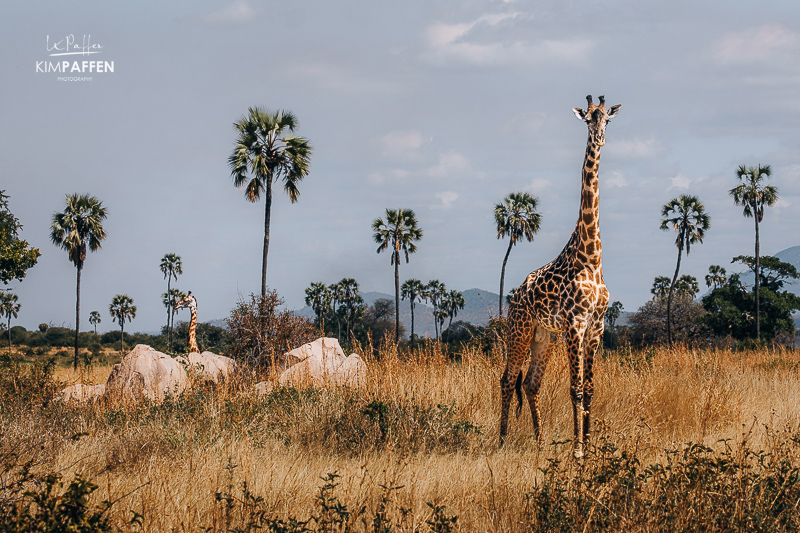
A strong pairing for serious safari travellers. Nyerere brings water, river landscapes, boat safaris, and varied habitats; Ruaha adds dry terrain, baobabs, predators, and a rugged wilderness feel. Together, they give a rich picture of southern Tanzania.
Nyerere and Mikumi
Mikumi can make logistical sense, especially on overland routes — more accessible than some other parks, though it also feels less remote than Nyerere or Ruaha. This combination suits travellers building an overland route, with realistic expectations about the contrast.
Nyerere and Zanzibar, Pemba, or Mafia Island
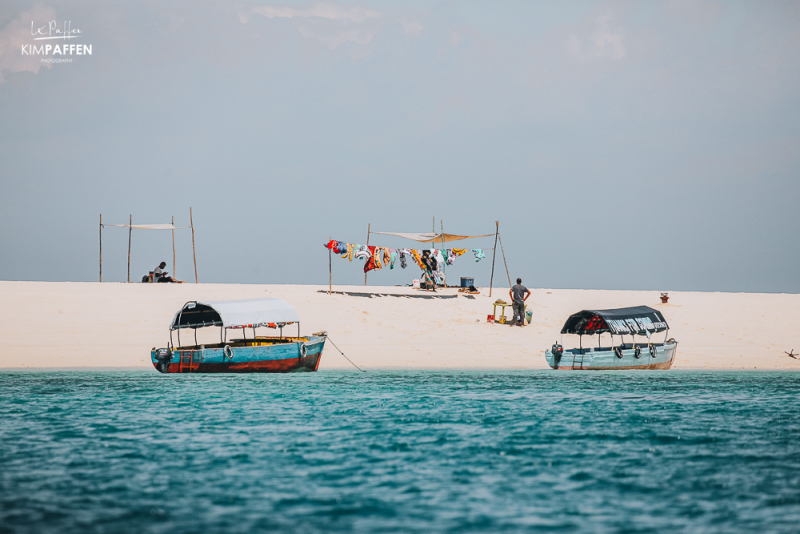
For travellers wanting to pair safari with time by the sea, Nyerere combines well with Zanzibar, especially using domestic flights to avoid unnecessary travel time. Pemba and Mafia Island are worth considering too, depending on season, budget, flight connections, and the kind of island experience you want. Zanzibar is better known and often more convenient; Pemba feels quieter and greener; Mafia can be especially appealing for travellers who love the sea, simplicity, snorkelling, diving, and a less commercial island atmosphere.
Can you combine Nyerere with the Serengeti?
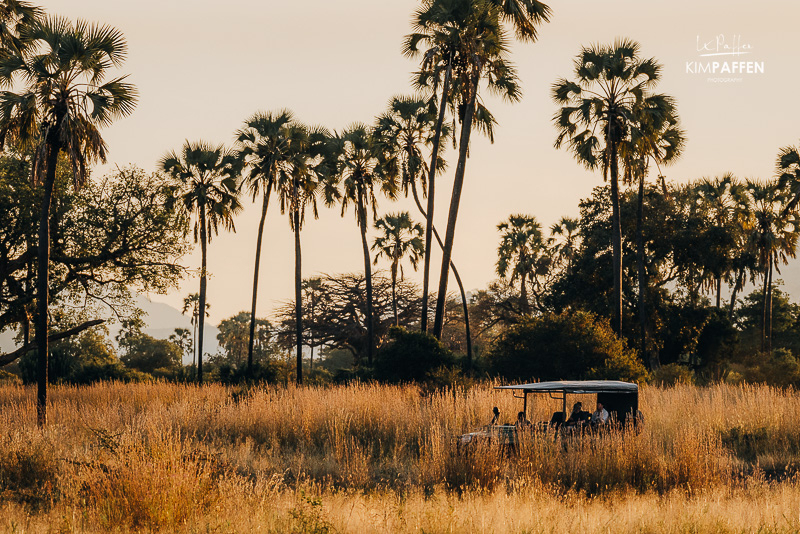
Yes, mainly via domestic flights — an overland route rarely makes sense given the distances involved. That said, we wouldn't recommend this combination as a default. If you've deliberately chosen southern Tanzania, it's often more rewarding to stay focused on the southern circuit — Nyerere, Ruaha, and possibly Mikumi, followed by a beach extension on Zanzibar, Pemba, or Mafia. Combining north and south in one trip risks eating up your time in transfers. A well-designed southern route tends to offer more rest, more coherence, and a deeper experience of this less-visited part of Tanzania.
Conservation in Nyerere and the wider Selous landscape
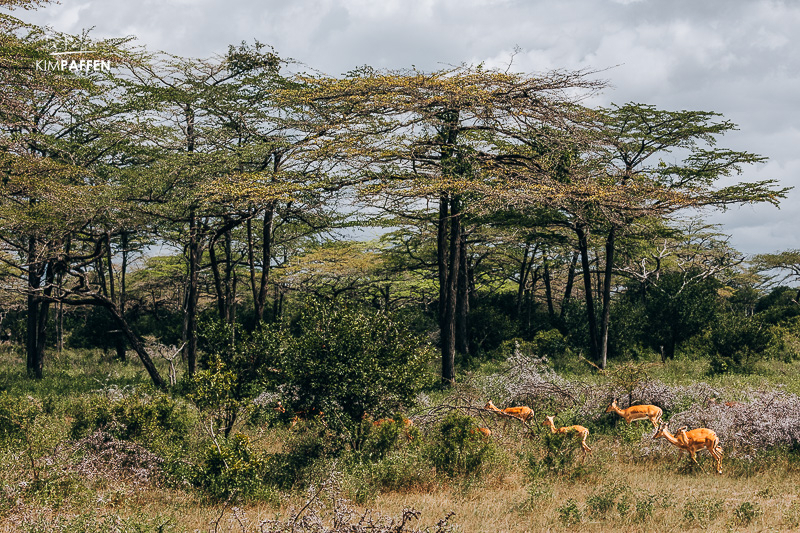
Nyerere sits within the broader Selous-Nyerere landscpae, an area of major ecological significance. Given its scale, rivers, lakes, forests, wetlands, and large mammal populations, protecting it is both complex and critically important.
Conservation work here centres on anti-poaching efforts, ranger patrols, protection of vulnerable species, wildlife monitoring, and collaboration with communities around the park. Responsible tourism can genuinely support this, when travellers choose reliable local partners, well-run camps, respectful guiding, and travel styles that reduce pressure on wildlife.
For travellers, that means looking beyond price or luxury alone — considering how a camp operates, which guides it employs, how activities are run, and whether it treats wildlife, landscape, and local people with genuine respect.
Is Nyerere good for a first safari?
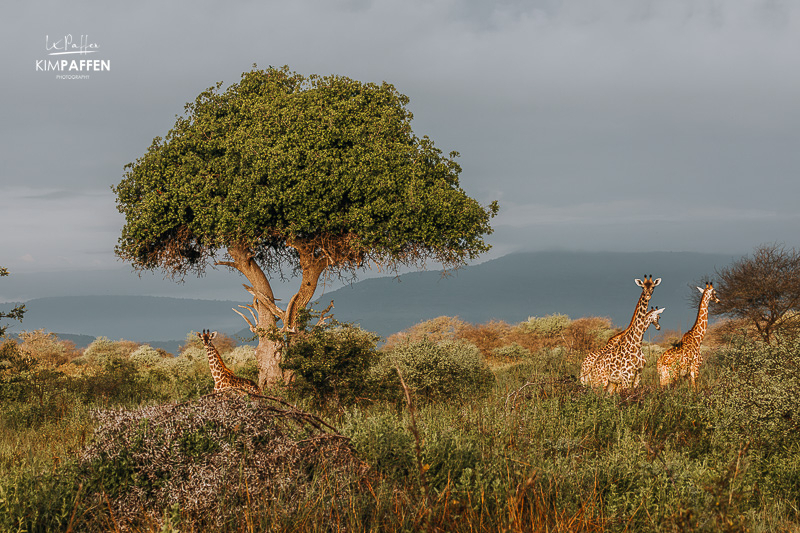
Nyerere National Park can absolutely work well for a first safari — especially for travellers who deliberately want space, quiet, and variety. It offers a genuinely rich introduction to safari: game drives, boat safaris, wildlife around water, birdlife, predators, elephants, hippos, wildebeest, and a real chance at wild dogs.
At the same time, Nyerere differs from the better-known northern parks. Wildlife can be more spread out, the park is enormous, and sightings are less predictable than in, say, Ngorongoro or parts of the Serengeti. That makes Nyerere wonderful for travellers who want to learn to look — but a less obvious fit for anyone mainly focused on seeing as many iconic animals, or a complete Big Five, in a short amount of time.
For first-time safari travellers, we'd generally recommend at least 3 nights, ideally 4 — enough time for game drives, a boat safari, downtime at camp, and a real feel for the park's rhythm.
Is Nyerere National Park worth visiting?
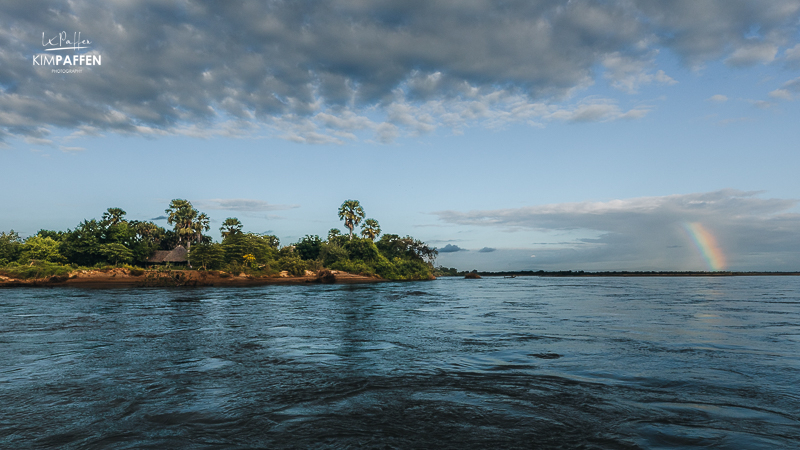
Yes — Nyerere National Park is absolutely worth visiting, though not for the same reasons for every traveller.
Nyerere is worth it if you:
- want a quieter alternative to the northern circuit;
- enjoy the interplay between land and water;
- find a boat safari genuinely appealing;
- prefer small-scale camps;
- want to see wildlife in a large, natural landscape;
- would love a real shot at African wild dogs;
- care about birdlife, photography, and animal behaviour;
- aren't purely chasing a guaranteed Big Five.
Nyerere is a weaker fit if you:
- want to see as many well-known highlights as possible in limited time;
- are mainly chasing the Great Migration;
- expect maximally predictable sightings;
- have very little travel time;
- specifically want a complete Big Five;
- are travelling purely to tick off a checklist.
For us, Nyerere's strength lies in its space. In the moments between the big sightings. In waiting by water. In the distant sound of hippos. In the way this landscape forces you to slow down and look more carefully.
That's exactly why Nyerere resonates so strongly with travellers who don't just want to see Africa — they want to actually experience it.
Safari in Nyerere with Safari Compass
A Nyerere safari calls for careful choices. Not every camp suits every traveller. Not every route has the same rhythm. And not every season delivers the same experience.
We help you choose deliberately: does Nyerere fit your trip? Would you combine it with Ruaha, Mikumi, or Zanzibar, Pemba, or Mafia Island? Do you want more comfort or a more intimate bush feel? Are you drawn to photography, walking, being on the water, slowing down — or some combination of all of it?
Safari Compass isn't a conventional travel agency. We advise and broker between travellers and carefully chosen local partners. You get the benefit of Kim's safari expertise, guiding background, photographic eye, and personal experience across East and Southern Africa, while your tailor-made private trip is executed on the ground by trusted local partners.
Our approach is calm and personal — not as many parks as possible in one trip, not simply ticking off famous names, but working out together which route, lodges, partners, and experiences genuinely fit your values, pace, and expectations.
Curious whether Nyerere fits into your Tanzania trip? We'd love to help you think it through — a route that balances rest, quality, wildlife, and genuine connection with nature.
Book a free, no-obligation Compass Call, or send us your travel wishes. We'll help you work out whether a safari in Nyerere National Park fits the trip you're imagining through Tanzania.
Frequently asked questions about a safari in Nyerere National Park
Where is Nyerere National Park?
Nyerere National Park is in southern Tanzania, part of the southern safari circuit and often combined with Ruaha, Mikumi, or Zanzibar.
Is Selous Game Reserve the same as Nyerere National Park?
Not quite. Nyerere National Park was created in 2019 from a large section of the former Selous Game Reserve. Many travellers still use the two names interchangeably, but most photographic safaris today refer specifically to Nyerere National Park.
Why was Selous renamed Nyerere?
The national park section was named after Julius Kambarage Nyerere, Tanzania's first president, replacing the colonial-era name Selous, which referred to Frederick Courteney Selous.
Is the grave of Frederick Courteney Selous real, or just a memorial?
The Commonwealth War Graves Commission registers the Selous Isolated Grave at Beho Beho as his official burial site. You can visit it within Nyerere National Park — it's more than a symbolic memorial, though it also clearly functions as a historical marker.
Is Nyerere the largest national park in Africa?
Nyerere is Tanzania's largest national park and one of the largest in Africa. We'd be cautious about claims of "the largest" or "second-largest" on the continent, since rankings vary by definition and measurement method.
Is the Rufiji the largest river in Tanzania?
Yes, the Rufiji River is widely regarded as Tanzania's largest. Within Nyerere, it plays a central role as a lifeline for wildlife, birdlife, vegetation, and activities like boat safaris.
Which lakes are in Nyerere National Park?
The Rufiji river system in Nyerere connects to five major lakes: Lake Manze, Lake Tagalala, Lake Siwandu, Lake Nzerakera, and Lake Mzizimia. Lake Manze and Lake Nzerakera are especially well known thanks to nearby camps and boat safaris.
Can you see the Big Five in Nyerere National Park?
No — in practice, you can't see a complete Big Five here. Elephant, buffalo, lion, and leopard are present, but rhino isn't a realistic sighting. There's no Great Migration in Nyerere either, and for the Big Five specifically, you're realistically looking at the "Big Four."
What's the best time to visit Nyerere National Park?
For the most predictable weather, roads, and wildlife concentrations near the lakes and river, we'd recommend July through October. Early June can be beautiful and green, but many camps have only just reopened after the long rains, and wildlife tends to be more dispersed.
Is Nyerere easy to reach during the rainy season?
It depends on timing, rainfall, and your route. In the green season, some roads can turn muddy and parts of the park can become temporarily hard to reach. Many lodges close during the long rains from March through May and reopen in June. Travel during this period calls for more flexibility, a capable 4x4, experienced guides, and current local knowledge.
What animals can you see in Nyerere?
Elephant, lion, leopard, buffalo, giraffe, zebra, wildebeest, hippo, crocodile, hyena, antelope, a wide range of birdlife, and African wild dogs. As always on safari, nothing is guaranteed — and that unpredictability is part of what makes the experience real.
Will rhinos be reintroduced to Nyerere?
There's talk of a possible future reintroduction, but it would require careful planning, strong protection, anti-poaching measures, monitoring, and long-term commitment. Whether — or when — this happens is currently unknown.
Can you see wild dogs in Nyerere National Park?
Yes — Nyerere ranks among Tanzania's better spots to see African wild dogs. These rare predators live in packs and range across huge territories, so a sighting can never be guaranteed, but the park's space and quiet make it a genuinely strong location for them.
Can you do a boat safari in Nyerere?
Yes — it's one of the standout experiences here. Boat safaris run on the Rufiji River and on several lakes, including Lake Manze and Lake Nzerakera. Lake Manze in particular impressed us with its compact, wildlife-rich character.
Can you visit Maji Moto Hot Springs in Nyerere?
Yes, the hot springs make for a pleasant change of pace alongside game drives, boat safaris, and walking safaris. Whether a visit fits your route depends on your camp, itinerary, season, and available time.
Can you self-drive in Nyerere National Park?
Technically, yes, but we'd strongly recommend a guided safari with an experienced guide instead. The park is huge, signage is limited, roads can be challenging depending on season, and wildlife isn't always easy to find on your own. A good local guide knows the routes, water points, recent animal movement, and current road conditions. For most travellers — especially first-time safari-goers — self-driving isn't something we'd recommend as a first choice in Nyerere.
How do you get from Dar es Salaam to Nyerere National Park?
You can travel overland via private transfer, or fly. Overland typically takes 5 to 7 hours, depending on departure point, camp, route, and road conditions — our own transfer took about 5 hours over a rough road past rural villages. Flying, often with Auric Air, usually takes 45 to 60 minutes from Dar es Salaam, depending on airstrip and route.
Can you do a day trip to Nyerere from Zanzibar?
Yes — early flight in, a game drive, and a return flight the same day. We wouldn't recommend it if you want a genuine safari experience, though. A single day tends to feel rushed and pushes the pace toward seeing as much as possible quickly. With at least 2 to 3 nights, you get real rest, a better range of experiences, and time to actually get to know the park.
Where's the best place to stay in Nyerere National Park?
It depends on your travel style. Nyerere has simple tented camps, comfortable mid-range camps, and more luxurious lodges. A camp on the Rufiji River suits boat safaris and river life; a camp near Lake Manze or deeper in the bush tends to offer a stronger wilderness feel.
What does a Nyerere safari cost?
Price depends on season, camp, comfort level, duration, activities, and whether you travel overland or by domestic flight. As a rough guide, a quality Nyerere safari runs around USD 500 to USD 1,000+ per person per day. Simpler or shared options can come in lower; luxury fly-in safaris can run higher. Always confirm whether park fees, concession fees, boat safaris, walking safaris, transfers, and domestic flights are included, and check current rates via TANAPA or your local safari partner.
How many days do you need in Nyerere?
We'd recommend at least 3 nights. Four nights gives you more breathing room for game drives, one or two boat safaris, and possibly a walking safari. Some lodges offer 4-nights-for-the-price-of-3 deals. For photographers or dedicated nature lovers, 5 to 7 nights can be genuinely worthwhile.
Can you combine Nyerere with Zanzibar?
Yes, and it works well, especially via domestic flights — a nice way to close out a safari with time by the sea.
Can you combine Nyerere with Pemba or Mafia Island?
Yes. Both offer quieter alternatives to Zanzibar and suit travellers wanting a calmer beach extension after safari. Logistics require a bit more attention than Zanzibar, so check flight connections, season, and budget carefully.
Can you combine Nyerere with the Serengeti?
Yes, mainly via domestic flights. That said, we wouldn't recommend it as a default choice. If you've chosen southern Tanzania, it's often more rewarding to stay focused on the southern circuit — Nyerere, Ruaha, and possibly Mikumi — followed by Zanzibar, Pemba, or Mafia Island as a beach extension. That keeps more rest and coherence in your trip.
Is Nyerere suitable for a first safari?
Yes, if you value quiet, nature, water landscapes, and variety. For first-timers, Nyerere offers a genuinely rich mix of game drives, boat safaris, birdlife, elephants, hippos, predators, and a real chance at wild dogs. It's also large and less predictable than Ngorongoro or parts of the Serengeti — so travellers mainly chasing the Great Migration or a complete Big Five may find the northern circuit a better fit.
Is Nyerere good for photography?
Yes. The combination of river landscape, lakes, birdlife, elephants, hippos, crocodiles, dust, light, space, and the chance of wild dogs makes Nyerere genuinely rewarding for photography. It asks for patience — sightings aren't always close or predictable, but that's often exactly what produces calmer, more considered images.